Categories
Advice

10 Christmas heating tips

10 Christmas heating tips…

It’s the most wonderful time of the year… It’s time to deck the halls, indulge in too many mince pies and start dreaming of a white Christmas.

But whilst we’re happy for it to be cold outside, Christmas wouldn’t be Christmas without a cosy home to return to.

Is there anything better than snuggling up in your new slippers to watch old films with loved ones under your Christmas tree?!

But what if your nights aren’t so cosy?

Christmas is an expensive time of year anyway – the Bank of England says we spend an additional £750 more per house in December.

But given that we’re only just emerging from a pandemic; and energy prices are sky-rocketing; you might not be feeling so merry and bright. You might be worrying about the additional bill you might be left with in January.

But don’t get your tinsel in a tangle, we’re here to offer some tips that can help you to keep your home warm and snug this Christmas, without breaking the bank.

We’ve included lots of tips here, and chances are, your to-do list is as long as the big man’s himself – but you don’t have to do all of these. Hopefully there are one or two things you can implement.

Christmas heating tip 1: Check that you’ve had your boiler serviced

A boiler wearing a Santa hat.Nobody wants their heating and hot water to go off over Christmas, so it’s a good idea to check that you’re up to date with your annual service before the festivities get under way.

It’s vital to have your boiler serviced annually by a Gas Safe engineer to keep you and your family safe from all the dangers associated with gas.

But not only that – regular boiler maintenance will help you to avoid breakdowns when you need your boiler most.

Research by Which? Found that around two thirds of boilers that are serviced every year never need a repair.

This number drops dramatically as you increase the time between services, so spending a bit on a boiler service could potentially save you a much bigger repair bill.

Christmas heating tip 2: Consider whether you need a boiler replacement

Depending on when you’re reading this, you might not have time for a boiler replacement before the big day itself.

But as well as writing New Year’s Resolutions for January, you might want to pencil in this investment for your home. You might like to read our related blogs: Your options with a boiler replacement and How to choose an energy efficient boiler.

There are lots of benefits of investing in an efficient new boiler, such as:

  • A warmer, more comfortable home;
  • More control of your heating with greater smart control options;
  • Reduced energy bills;
  • Reduced carbon footprint;
  • Peace of mind with a long guarantee;
  • Reduced repair costs;
  • Quieter operation;
  • More space – if switching from a conventional or system boiler to a combi boiler;
  • Instant hot water on demand (if switching to a combi boiler);
  • Meet high demands for hot water (if switching from a combi boiler to a conventional or system boiler;
  • A stylish new boiler that you don’t need to hide away;
  • Make your home more attractive to buyers.

You might like our related blogs: 6 signs that you need a new boiler and How much does a boiler cost?

For tailored advice, and to find the right size of boiler for your home, contact us today.

Christmas heating tip 3: Plan ahead and set timers

Using a timer is a great way to optimise your heating without having to actively think about it – which is particularly useful when you’re busy with Christmas parties!

 A timer allows you to control when your heating and hot water comes on and when it goes off. This is handy because you can schedule your heating around your Christmas schedule.

If you’re out at a party, then you can programme the heating to switch off during that time. And if you have guests over Christmas, you can set your radiators to come on about 20 minutes before you expect they’ll wake up, so they’re nice and comfortable, whilst minimising your energy bill.

Christmas heating tip 4: Invest in a smart thermostat

A smart thermostat lets you manage your home’s heating schedule from the palm of your hand, through a tablet or smartphone.

This means that you can control your heating from your bed; the Himalayas; or the office Christmas party.

Depending on what make and model you opt for, you can choose from features such as:

  • multi-room control;
  • hot water control;
  • Geofencing;
  • weather compensation;
  • draught detection;
  • holiday mode;
  • feedback on your heating patterns.

Smart thermostats can detect when nobody is at home; learn your daily schedules; know when windows are opened; or the sun is shining; and adjust the heating accordingly.

All of this means that you only heat when and where it’s necessary.

Whether you’ll save money will depend on your lifestyle and how you currently control your heating, but they’ll certainly make heating your home more convenient!

Manufacturers make bold claims about the energy savings that you could make. For example, Tado claims you can save up to 31% on your energy bills with their smart thermostat. But this will only really be accurate for people who had no heating controls to start with. 

To find out more, read our blog: Does smart heating save money?

Christmas heating tip 5: Only heat the rooms you need with thermostatic radiator valves

It’s a waste of energy (and money) to heat a whole house when you know that you’re only going to be using certain rooms.  But there’s a solution to this – thermostatic radiator valves.

Thermostatic radiator valves or ‘TRVs’ are nifty little devices that fit on the side of your radiator and allow you to control how much heat your radiator emits, and therefore the temperature of your room.

They also allow you to switch a radiator off completely. This is great because you can set lesser used rooms to a lower temperature than your main sitting room, and you won’t waste money heating an empty guest bedroom. But if you do end up with a house guest, it’s easy enough to turn it back on.

Another option is to invest in some smart radiator valves that give you precise control of every radiator in your home straight from your smartphone.

Christmas heating tip 6: Bleed your radiators

On the subject of radiators… when was the last time you bled them?

According to the Energy Saving Trust, less than 30% of people bleed their radiators, resulting in potential cold spots in your home.

Your radiators are just as important as your boiler in keeping you toasty and warm. But when pockets of air get trapped inside them, the hot water can’t circulate properly so it takes longer to heat your home.

If you’ve noticed that your radiators are cold, or have cold spots; or are making funny noises; this might indicate that air is trapped inside them, and needs to be released.

To bleed a radiator, make sure your boiler is turned off and all the radiators are completely cold. Locate the radiator bleed valve and using either a radiator bleed screw or the tip of a screwdriver, turn it until water begins to drip out. Keep a cloth to hand so that you can catch any water. Once water starts coming out, tighten the valve back up again.

If after bleeding your radiators, they still feel cool, ask your engineer about power flushing.

Christmas heating tip 7: Tackle those draughts

A report by the Energy Saving Trust found that although 65% of people put on a jumper to stay warm indoors, only 15% draught-proof their homes.

This is a mistake because all those little holes around your house are letting cold air in and letting your warm air out.

Heat loss makes a big difference to the warmth of your home and your energy bills. So, you need to get them covered up!

Draught-proofing is one of the cheapest and most effective ways to save energy and money in your home.

It can be as simple as using heavy curtains to block draughts from windows; sealing cracks in walls and floors (with gaffer tape if need be!) ; or using draught-excluders or rolled up towels at the bottom of draughty doors.

The Energy Saving Trust say you can save about £25 per year just by draught-proofing windows and doors.

By reducing your draughts, you’ll feel warmer, so you may even be able to turn your thermostat down to save even more energy.

Check out our related blog: How to reduce heat loss at home for more tips.

Christmas heating tip 8: Make your rooms heating-friendly

As well as tackling draughts, you should take a look at your rooms and prime them for optimum heating.

You need to check that you’re not obstructing your radiator with furniture or the Christmas tree. And while you might have extra guests over the Christmas period, don’t put the extra washing on your radiators to dry – use a clothes airer instead.


Christmas heating tip 9: Turn the heating down by one degree

If you’ve read our blog: 7 Central heating myths debunked, you’ll know that 52% of people mistakenly believe that cranking up their thermostat will heat their home quicker.

This is a common misunderstanding. Turning your thermostat up will heat your home at the same speed, but you’ll just heat it past your desired temperature, wasting energy and money in the process.

Although it might seem odd to suggest you turn your thermostat down in the middle of winter, if it’s just one degree you shouldn’t notice the difference. But you will on your heating bill!

According to The Energy Saving Trust, adjusting the temperature by just one degree could save you as much as £80 a year. So, turn it down by a degree and put your Christmas jumpers and socks to use!

Tip 10: Invest in your Christmas best

We love Christmas jumpers, and since you only get to wear them for 31 days, why not follow the old-school solution to saving money on your heating and “Put a jumper on!”

Final thoughts…

We hope that you’ve found this article useful, and you can save some money this festive season.

Merry Christmas from The Heating People!


Useful links:

The Bank of England: How much do we spend at Christmas?

Which? Heating tips for cold winter weather

Energy Saving Trust: 7 Winter heating tips

Drayton Wiser: Controls for the festive season

Which? Heating tips for cold weather

Categories
ATAG

How long should a boiler last?

Your boiler is the heart of your home, keeping you and your family warm and safe – hopefully for a very long time.

If you’ve just invested in a new boiler, you shouldn’t have to worry about replacing it for many years. Most modern boilers last between 10 to 15 years on average.

But unfortunately, boilers don’t last forever. If yours is in it’s golden years, it may be time to consider a replacement. You might like our related blog: 6 signs that you need a new boiler.

Older boilers, especially those installed more than 10 years ago, pre-date the Boiler Plus regulations and are far less efficient than modern ones.

Some old boilers were only 70% efficient when bought new. And energy efficiency can also deteriorate further with age.

Just imagine the sky-rocketing energy bills of a G-rated 70% efficient boiler fifteen years down the line!

And there are plenty of these old inefficient boilers still out there. The Heating and Hotwater Industry Council estimate that there are 4 million of what they describe as ‘Zombie boilers’ lurking around UK homes, getting in the way of our journey to decarbonisation.

So, if you suspect that your boiler is a zombie, or you want to know how to extend the lifespan of your new one – then this blog’s for you!

In this guide we’re going to look at how much life you can expect to get out of your boiler, signs it might be time for a replacement, and how to extend the lifespan of your new one.

What is the life expectancy of a boiler?

This is a very common question. But precisely how long you can expect your boiler to last for, will depend on several factors.

Boilers vary in their quality, and how you use and look after them will also make a difference.

But on average, modern boilers typically last between 10-15 years. After all, they’re complicated and hard-working appliances that are made up of numerous component parts that will eventually wear out.

All that heating and cooling, expanding and contracting would take its toll on anybody! 

How to extend your boiler’s lifespan

Since boilers are a substantial financial investment, you’ll want to look after yours, so that it stays in good condition for as long as possible. 

Follow our tips on how to do this:

1.    Extend your boiler’s lifespan by using expert engineers

The first crucial step to optimising your heating system and getting your boiler to last, is to always choose Gas Safe registered, expert engineers to install and service your boiler.

Remember that your boiler will only be as good as the engineer who installed it.

And unfortunately, not all installers are created equal!

There’s a vast skills and knowledge gap within the heating industry. The Heating Hub says that:

‘99% of installers do not understand how condensing gas boilers work and therefore cannot set them up to run as they were designed to.’

Clearly, there’s little point in spending lots of money on an all-singing-and-dancing new boiler, and then having it thrown on the wall by someone who doesn’t know (or care about) what he’s doing. You’ll just be wasting your money.

You need an expert to service your boiler too – the last thing you want is for shoddy workmanship to cause damage.

Rest assured that here at The Heating People, our engineers are Gas Safe registered and are proud to be Heat Geek Accredited, so that you know that we’re passionate about optimising your heating system.

2.    Extend your boiler’s lifespan by choosing a reliable and efficient model

An ATAG boiler with a 14 year guarantee badge.Although boilers might all look very similar, don’t be fooled – not all boilers are the same! Boilers vary greatly depending on the manufacturer, and the model you’re looking at.

As with all things, boilers vary in quality. Be cautious about opting for the cheapest model on the market, because if you buy cheap, you might end up buying twice!

Whilst the initial cost might be cheaper,  it may ultimately end up costing you more in the long run.

A low-quality boiler is likely to have a much shorter life span than a high quality one. This means you’ll have to replace it sooner, and you might be facing lots of repair costs, or paying excessive energy bills on your ‘bargain’.

Rather than shopping by price, you need to choose a boiler that’s reliable and efficient. And if you’ve chosen an expert engineer to do your installation, they’ll be able to give you advice on your best options.

The Heating People aren’t tied to any one manufacturer, we can work with all of them. But we have our favourites! We’re proud to be:

  • Worcester Bosch Accredited Installers
  • Vaillant Advance Installers
  • ATAG Selected partners
  • Viessmann Trained Installers

Each of these manufacturers offers outstanding performing boilers that stand the test of time.

3.    Extend your boiler’s lifespan by choosing the correct size

A calculator next to a thermal image.As well as being reliable and efficient, your boiler needs to be suitable for your needs if you want it to last.

If you’ve read our blog: What size boiler do I need? You’ll know that size matters here!

Whilst people often fall into the trap of oversizing their boilers ‘just in case’, bigger isn’t better when it comes to boilers.

An oversized boiler will lead to excessive energy bills, and is likely to suffer from a problem called ‘boiler cycling’. This will put stress on component parts, and will ultimately result in a shorter lifespan.

But undersizing is also a problem because if it isn’t powerful enough to meet your demands for heating and hot water, it will have to work harder. An undersized and overworked boiler is more likely to suffer breakdowns and will likely have a shorter lifespan.

So, just like Goldilocks, you need to find one that’s ‘just right’.

But don’t worry, The Heating people will calculate and recommend the perfect size for your needs after conducting a heat loss calculation for your home, during your free survey. 

4.    Extend your boiler’s lifespan by having it serviced every year

There are many reasons that you should have your boiler serviced every year, one of which is to help extend your boiler’s life.

During your annual service, an engineer will:

  • examine your boiler and ensure that it is still Gas Safe;
  • identify any minor faults that could develop into more serious and expensive ones;
  • clean and maintain the component parts to allow it to run as smoothly and efficiently as possible.

Remember that to keep your boiler’s guarantee, you’ll need to have your an annual service.

5.    Extend your boiler’s lifespan by addressing potential problems straight away

Prevention is better than cure, so if you notice any potential problems or issues with your heating system, you should deal with them straight away.

Ignoring warning signs is never a good idea. Delaying any required repairs or maintenance (such as a power flush) is likely to result in problems growing into more complicated and expensive ones.

So, if you notice any changes or strange noises, you should consult an engineer as soon as possible for help. 

Should I replace my old, working boiler?

If you’ve been looking after your ten-year-old boiler well, it might have a few more good years left in it.

But in some cases, it can be more economical to replace an aging and inefficient boiler, than to hang onto it.

Here are some of the signs that it might be time to replace your boiler:

  • You inherited the boiler when you purchased the house, and it isn’t meeting your needs;
  • Energy bills have crept up without explanation;
  • Your heating system isn’t working like it used to;
  • Your boiler is breaking down frequently;
  • You’ve spent lots of money on boiler repairs;
  • Your boiler is no longer within its guarantee;
  • It’s hard to find replacement parts for your boiler due to its age;
  • Your boiler is leaking;
  • Your boiler is making strange noises.

The Heating People will examine your old boiler during your free survey and will be able to advise you whether repair or replacement is the better option for you.

You might like our related blog: Your options with a boiler replacement.

What are the benefits of replacing my old boiler?

There are lots of benefits of replacing an old boiler with a new one, including:

Reduced energy bills

efficient boiler

As we mentioned earlier, modern condensing boilers are much more energy efficient than their old non-condensing counterparts.

All new boilers must be ErP A-rated for efficiency. All modern combi boilers must be at least  92% efficient.

This means that for every £1 you spend on heating, only 8% goes to waste. Since heating and hot water makes up around 55% of your energy bill, having an efficient boiler will help you to save money.

Reduced carbon footprint

As well as reducing the money you spend on your energy bills, a more efficient boiler will also reduce your carbon footprint because it has to burn less fuel to do its job.

Reducing our emissions is crucial if we’re to meet our national ambition of achieving net zero by 2050.

More comfortable home

If you’ve been putting up with an aging boiler that’s struggling to meet your needs, you’re bound to feel the benefits that a new, modern boiler can bring to your home. You’ll benefit from improved quality of heating and hot water and can stop squabbling with family members over whose used all the hot water!

Improved technology and control

A woman operating smart heating from her phone.If you’re replacing an old boiler with a much newer one, you’re likely to benefit from having much more control over your heating than you had in the past.

The technology offered by boilers has come a long way in recent years, with some boilers (such as the Worcester Bosch Greenstar 8000 Style) even offering nifty LCD colour touch screens!

Depending on what you have currently, you might find that you have more options with your heating controls too.

If you’ve not used them before, getting a new boiler is the perfect opportunity to add smart controls to your heating system so that you have much greater control over your heating, from wherever you are, at any time of day.

Availability of parts

If your old boiler has been discontinued, finding replacement parts in the event of a breakdown can be tricky, time-consuming, and expensive. With a new boiler, you’ll have the peace of mind that should anything go wrong, finding parts for a repair should be straightforward.

Peace of mind

If your old boiler has been stressing you out with constant faults and breakdowns, you’ll love the peace of mind a new boiler will bring. No more worrying about being left with no heating or hot water!

Manufacturer’s guarantee

A new boiler should work better for longer, and you might benefit from the reassurance of a manufacturer’s guarantee on your new model. This means that should anything go wrong; your repairs will be paid for.

All new boilers installed by The Heating People come with a guarantee of up to 14 years.

How much does a new boiler cost?

A shopping trolley with a boiler in it.The price of replacing a boiler costs less than you might think. It obviously depends on what you are changing from, and what you are changing to. But as a rough guide, at The Heating People a boiler replacement costs between £1800-3000.

Contact The Heating People today to arrange your free quotation.

Final thoughts…

A good boiler that is well looked after should last you for around 10-15 years. But, if your boiler is more than ten years old, it’s a good idea to consider a replacement. This is because the older a boiler is, the more prone to breakdowns and the less efficient it is.

When choosing your new boiler, choose an expert installer that you can trust. The right installer will help you to find the correct boiler for your needs and will have the expertise to keep it ticking over for years to come.

To find out whether it’s time you replaced your old boiler, contact one of our friendly team to book your free survey.

You might like our related blog: 6 top tips for buying a new boiler.

Useful links:

Heating and Hot Water Industry Council – Zombie boilers

Categories
Boiler types

What is a combi boiler?

What is a combi boiler?

When the time comes to upgrade your heating system, it can be daunting to know where to start. Even deciding what type of boiler is best for your home can be a challenge when you’re unfamiliar with the jargon.

Combination or ‘combi’ boilers are currently the most popular boiler in the UK, but what are they, and why are they so popular?

In this guide, we’ll tell you everything you need to know about combi boilers, to help you to decide whether a combi’s a good option for your home.

For information on particular combi models, check out our blog: The best combi boilers 2022.

For tailored advice on your options, contact one of our friendly team at The Heating People.

What is a combi boiler?

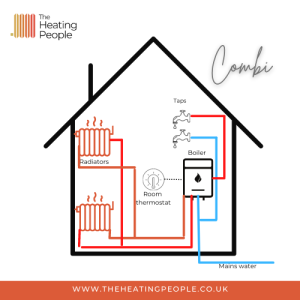
A diagram of a combi system in a house.Combination boilers, or ‘combi’ for short, are compact all-rounders that provide both the heating and hot water for your home.
Unlike conventional or heat-only boilers, combis don’t need a separate cold water storage tank or an external hot water cylinder in your attic – everything it needs is inside the unit.

This is because they take their cold-water supply directly from the mains, and they don’t store hot water, because they heat water instantaneously, on demand.

Since combi’s only heat water as and when they need it, they can save you money on your energy bills because you’re not paying to heat and store water that you might not use.

Another plus? No waiting for a tank to heat up when you really want a hot bath. A combi is ready when you are.

Are combi boilers reliable?

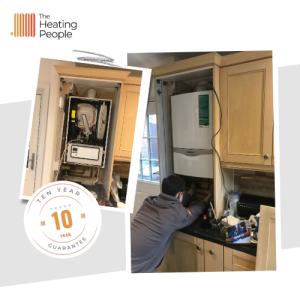
An installation of a Vaillant ecoFIT by The Heating PeopleIn the past, combi boilers were not what they are today.
So, if you’ve heard mixed reviews about combi’s, you’ve probably heard about an old type of combi, which relied on a mechanical type of operation, which affected the delivery of hot water.

Over the last 15 years, combi boilers have improved significantly, and not only must they be at least 92% efficient, serious progress has been made with their effectiveness of performance.

Nowadays, a faster electrical process has improved the transfer of heat for hot water.

Rest assured, that today, combi boilers are compact, easy to use, reliable, efficient, and very effective at delivering heating and hot water straight from one unit.

How does a combi boiler work?

Diagram of a combi boilerCombi boilers are different from other boiler systems because all their operating components are contained within one compact unit.
It’s important to point out that whilst combi boilers provide both heating and hot water, they can only perform one of these tasks at a time, and they always prioritise hot water. 

Combi boilers work using two heat exchangers.

The primary heat exchanger heats and recycles the water that goes through the pipes into your radiators to heat your house. This water travels through the radiators and recycles back into the boiler to be reheated again. This is controlled via a programmer or timer, and a room thermostat.

The secondary heat exchanger heats up the hot water that goes into your taps. When you turn on a hot tap, a combi boiler pauses the central heating, and opens a diverter valve, which diverts water away from the radiator circuit and into a plate heat exchanger, which heats clean water from the mains, and delivers it to your hot water taps or shower. 

When this switching happens, you will hear some boilers switching on and off as you open the taps.

How efficient are combi boilers?

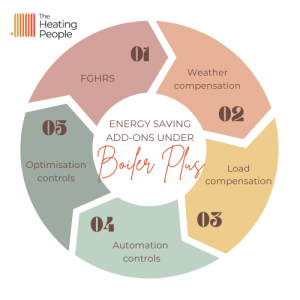
Diagram showing Boiler Plus.The Boiler Plus regulations have changed the law on the efficiency of boilers, to improve how you use energy in your home.

These rules give you greater choice and control over your energy usage, which results in savings on your energy bills.

From April 2018, all boilers must now have a minimum ErP (Energy related Products) rating of 92% and all gas and oil boilers must have appropriate time and temperature controls fitted.

In addition, when installed, combi boilers must have one of four additional energy saving devices fitted: flue gas heat recovery; weather compensation; load compensation; or smart controls with automation and optimisation functions.

All of this means that your combi is very efficient and could help you to make significant savings on your energy bills.

The Heating People will be able to guide you on which additional Boiler Plus measure should be used alongside your new combi boiler.

Two of our favourite combi boilers are the ATAG iC Economiser Plus and the Vaillant ecoTEC Exclusive with Green iQ, because these boilers have in-built flue gas heat recovery. This makes them automatically compliant with boiler plus, with only minimal controls added.

We also love weather compensation, where situations allow. And we find that optimum start and smart controls are a popular choice for many of our customers as they fit many boilers and are easy to use.

But don’t worry – we’ll explain all your options, as part of your free quotation.

Could a new combi boiler save me money?

The short answer to this, is yes!

But how much you stand to save will depend on what you’re switching from.

All new combi boilers are A-rated for energy efficiency, meaning that they’ll be at least 92% efficient.  Whereas, if you’ve got an old G-rated boiler, this could be less than 70% efficient.

To put this into context, with a G-rated boiler, for every £1 you spend on your heating bill you are wasting 30p on lost energy!

Combi boilers are generally thought to be more efficient than conventional or system boilers because they heat water on demand, rather than wasting energy heating and storing hot water that you may never use.

How does a combi boiler compare to the other types of boilers?

Three houses with different heating systems.Combi boilers are different to heat-only and system boilers because they provide all your heating and hot water from the same compact unit.

In contrast, heat-only boilers need an additional cold-water tank and hot-water cylinder; and system boilers need a hot water storage cylinder to heat and store hot water.

Some of the key differences between the different boiler types are summarised here:

Combi boilers take their water directly from the mains

Combi boilers and system boilers receive their cold water directly from the mains. With a heat-only boiler, depending on the system in place, water is supplied from the mains or from tanks.

Combi boilers are compact

Combi boilers need the smallest amount of storage space because all their component parts are held within one compact unit. With a conventional boiler, space is required for cylinders and other equipment. With a system boiler, space is required for a hot water cylinder.

Combi boilers don’t have back-up immersion heaters

In the event of a combi boiler breaking down, there will be no heating or hot water. With conventional and system boilers, you can install an immersion heater. This means that in the event of a breakdown, you’ll have no heating, but will still be able to get hot water.

Combi boilers are efficient

Combi boilers are highly efficient. Heat-only or conventional boilers can be less efficient if you don’t use much hot water each day.
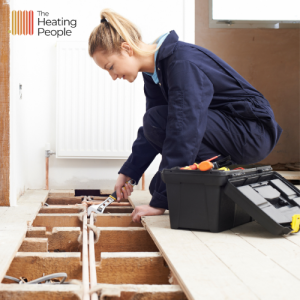
System boilers have a wider range of control options available, compared to conventional boilers and are easy to integrate with renewable heating systems such as solar. You can read about the pros and cons of system boilers here.

Combi boilers are best suited to small to medium sized homes

Combi boilers are better suited to small to medium sized homes.

Conventional and system boilers are better suited to larger homes or homes with multiple bathrooms. This is because they store hot water and can therefore supply large amounts of it to multiple outlets at the same time.

Combi boilers – Installation cost

An engineer installing a boiler.The cost involved in installing the different types of boilers will obviously depend on the condition of your current heating system, and the make and model of boiler that you choose. But as a rough guide:

Replacing an existing combi boiler with a new combi boiler will generally cost between £1800-3000. Upgrading from a conventional boiler to a combi boiler will cost between £2200-£3500.

Switching from a heat-only boiler with a new conventional boiler will cost between £1800-3000.

Changing from a conventional boiler to a system boiler will cost between £1800-3000. Replacing a system with a new system boiler will cost between £1800-3000.

How do I know if I already have a combi boiler?

If you’re wondering if your existing boiler is a combi, there are a few things that you can check:

Do you have a cylinder?

A cylinder is a copper ‘tank’ that holds your hot water on a traditional system – these are sometimes known as immersion tanks. Often cylinders are in an airing cupboard, but we have also seen them installed in lofts, basements and everywhere in between!

If you have a cylinder, it’s very unlikely that you have a combi boiler.

How many pipes are connected to your boiler?

Combi boilers have between five and seven pipes connected to them (sometimes these may run straight into the wall or up the back of the boiler making them hard to spot).

If your boiler has less than five pipes, it’s not a combi boiler.

What make and model is your boiler?

Check your boiler for a badge with a manufacturer and model name. For example: Vaillant ecoTEC Pros 28.  A quick Google search may tell you if your boiler is a combi or not. Be careful though, as some manufacturers have very similar names for their combi and standard boilers.

A Google search of your boiler’s badge may tell you whether you have a combi.

When your boiler is not running, turn on a hot tap.

If your boiler starts to operate when a hot tap is opened and stops operating shortly afterwards, it’s a combi. Repeat the test several times to be sure that it’s not a coincidence.

If your boiler starts to operate when a hot tap is opened and stops shortly afterwards, it’s a combi boiler.

Is a combi boiler right for me?

A happy family and dog.In general, combis are best suited to small to medium-sized homes.

A combi might be right for you if:

  • You live in an area with normal or high-water pressure;
  • You have modest hot water demands at any one time.
  • Your boiler is going to be within 20m of the furthest bath, shower or sink.


What are the main advantages of a combi boiler?

A woman looking ay a diagram of a combi boiler system.Here are some of the main advantages of choosing a combi boiler:

Combi boilers are space saving

Since combis don’t need external water tanks or cylinders, they are space saving. Many models are compact enough to fit in a small cupboard.

This can be a real advantage in flats and small houses where space is at a premium. A combi might free up your airing cupboard for additional storage space.

Combi boilers can improve your efficiency and reduce your fuel bills

Unlike conventional boilers, combis don’t produce and store hot water. They only heat the water needed by your household.

With a conventional boiler, hot water tends to be produced twice a day, even if it’s not needed. If it doesn’t get used, this hot water cools down, wasting energy.

Since combis only produce hot water on demand (when you turn a hot tap on) so this can mean reduced energy bills. 

Combi boilers provide hot water on demand

With no water tank to heat up, combi boilers can provide an unlimited supply of hot water on demand.

This is ideal in busy homes where showers may be used back-to-back each morning. It also means no more waiting for water to heat up for your bath, a combi is ready when you are.

Combi boilers are less likely to suffer from pressure problems

Combi’s take their water directly from the mains, so they’re less likely to suffer from air locks or low pressure.

What are the drawbacks to a combi system?

Whilst there are many benefits to having a combi boiler, they’re not right for everyone.

Combis are best suited to homes with relatively small hot water demands at any one time.

If you’re a household where everyone wants showers at the same time, then a combi won’t be suitable. In this case a regular or system boiler might be your better option. 

You could also ask us about storage combis!

What size combi boiler do I need?

Choosing the correct size of boiler is vital to ensure that your boiler runs efficiently and keeps your fuel bills as low as possible.
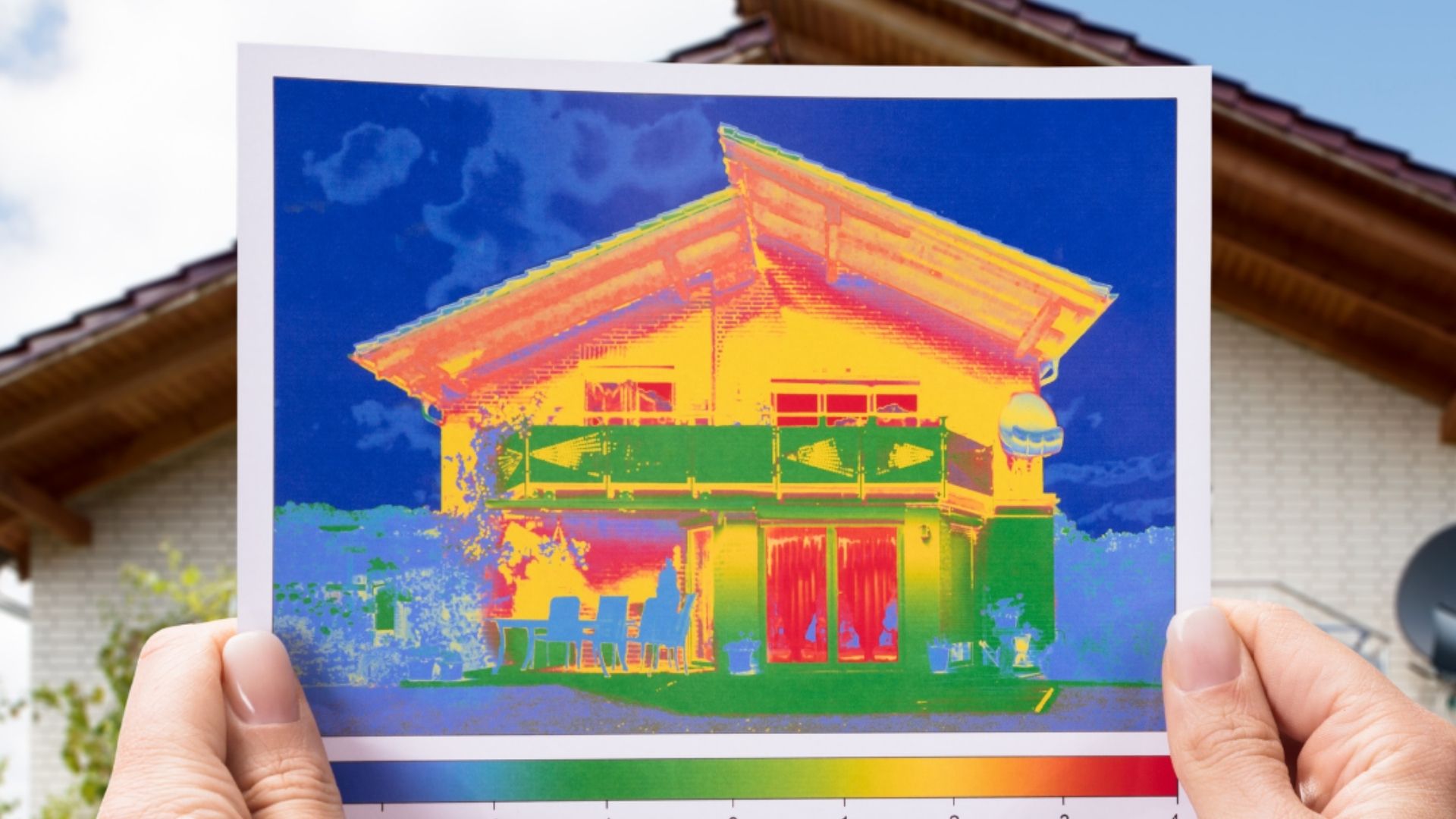
This is such an important topic, and it’s often done incorrectly, so we’ve written a whole blog about it! You can read it here.

But rest assured that The Heating People conduct a heat-loss calculation as part of your free survey. This will ensure that we match you with your perfect boiler.

How much do combi boilers cost?

Every home has different needs, which means that there is no single answer to this question. This will depend on your current set up, and the boiler manufacturer that you choose.

The Heating People can offer new combi boiler installation and combi boiler replacements with guarantees of up to 14 years.

As we are not tied to any one manufacturer, we can offer new boilers from all the major manufacturers including Worcester Bosch, ATAG and Vaillant.

As a guide, replacing an existing combi boiler will cost approximately £1800-2500; whereas upgrading from a regular system typically costs £2200-£3500.

How long does it take to install a combi boiler?

This really depends on a range of factors, including the type of boiler you have now, and if it needs to be moved to another room.

However, a typical installation usually takes between 1-3 days to complete.

We hope that you found this blog helpful. For tailored advice on whether a combi is right for you, contact us to book your free survey.

You might like our related blog: Pros and cons of combi boilers.

Useful Links:

Government factsheet on Boiler Plus

Vaillant combi boiler range

Worcester Bosch combi boiler range

ATAG combi boiler range

Categories
Energy efficiency

What is heat loss and why is it important?

If you’re thinking of upgrading your heating system, you’ve probably come across the phrase ‘heat loss’. But what is it? and why is it important when you’re looking for a new boiler?

Heat loss is the gold standard in determining the correct size of boiler for your home.

Heat loss calculations are the industry standard for sizing boilers under Part L of the Energy Efficiency Regulations.

But despite this, a lot of heating engineers are ignoring best practice; and are falling back on the old, and frankly crude method, of simply counting radiators.

Instead of ensuring that your new boiler is sized to operate at its optimum efficiency; a lot of ‘engineers’ are just replacing ‘like for like’ or installing oversized boilers.

And this really grinds our gears.

So, in today’s blog, we explain everything you need to know about heat loss; and why it’s so important in heating your home. 

 What is heat loss?

A kettleIt’s easier to understand heat loss, if you start by thinking about how your central heating system works.

Your central heating system’s purpose is to produce thermal energy, otherwise known as heat. Heat for your water, and heat for your rooms.

Your boiler does this through several thermodynamic interactions; which enable it to transfer the heat generated from burning a fuel (usually gas), to water. Once the water is hot; your boiler pumps it around the pipes in your house, to supply your hot taps and your radiators.

When you turn on a hot tap, you’ll get hot water. But how does having hot water in your radiators warm your house up? Well, this is where the second rule of thermodynamics comes in.

This sounds very complicated, but just imagine you’ve made a hot cup of tea.

What will happen to your tea if you put it on a table and leave it?

That’s right, it’ll go cold.

And that’s what the second rule of thermodynamics tells us. Energy (in this case heat) spontaneously disperses from being concentrated; to becoming spread out, if it’s not stopped from doing so.

At its simplest level, heat flows in one direction: from hot towards cold. This can happen through conduction, convection, radiation, or a combination of all three.

Heat loss occurs because warm air moves towards cold

When your boiler pumps hot water into your radiators, the heat will move towards the cold air in your room. Anlthough they’re called ‘radiators’, most of the heat transferred from your radiator to the cold air, occurs through convection.

The result is that your once chilly room is now nice and warm, happy days. Or it would be, if you could hold onto this heat forever – you’ve paid for it after all!

But unfortunately, some of the heat will escape. The same science that allows us to make our rooms warm, is working against us at the same time.

Once the air in your house is warm; it naturally wants to move towards the cold air, which is now outside of your house. In other words, your warm air wants to escape the building!

Heat loss is a measure of the amount of heat escaping through your building’s fabric; from the inside to the outside. 

Different properties are built using different methods, materials, and levels of insulation; all of which affect the rate at which heat transfers through them.

The colder the outside temperature; the warmer the inside; and the worse the insulation of your building, the greater the heat loss will be.

How much heat can be lost from a building?

Whether we like it or not, all buildings lose heat.

But the amount of heat loss you will experience, depends on several factors. The age and type of property you live in will effect heat loss.

For example, if you live in a terraced house; you’ll lose the highest proportion of your heat through your floor and roof. But if you live in a flat, you’ll lose most of your heat through your external walls.

And generally, the older your building is, the more susceptible it will be to heat loss. This is because older buildings are more likely to have poor to no insulation, single glazing, and poor airtightness.

This is a particular problem in the UK. The Climate Change Committee (CCC) explain that our housing stock is: “one of the oldest and worst insulated in Europe; with 38% of homes built before 1946; and only 15% since the 1990s.”

Heat loss figures from the Energy Saving Trust

According to the Energy Savings Trust, the following estimates indicate the proportionate heat loss from a badly insulated house:

25% of your heat can be lost through the roof;

35% through outside walls;

25% through doors and windows;

15% can be lost through ground floors.

This also helps to illustrate why bigger houses don’t necessarily need bigger boilers to heat them. It’s not about the size of the house, that matters, it’s their heat loss.

To illustrate this, imagine that there are two neighbouring houses of the same physical size. But one house is very old with single glazed windows, and no insulation; and the other house is a modern new-build with double glazing and lots of insulation.

The first draughty old house will lose its heat very quickly; and will therefore need much more power from a boiler to keep it warm. Conversely, the second house will lose its heat much more slowly; and will therefore need less power from a boiler to keep it warm.

What factors increase heat loss?

Here are just a few of the factors that increase heat loss in your home:

Poor insulation increases heat loss

Since heat always moves towards cold; to keep your home warmer for longer, you need to prevent the heat from escaping through conduction, convection, and radiation.

 Insulating your home means that materials with low U-values (more on these later) are used to slow down the transfer of heat; from inside your home (where you want it) to outside.

So, insulation is a sort of buffer zone in between your warm home and the cold outdoors. Buildings with poor (or no) insulation will lose their heat much faster than buildings with insulation.

This is easily explained if you think about a hot mug of tea again. If you leave your mug on the table for an hour; the heat will have moved towards the cold air in the room; and you’re left with a cold brew.

Now imagine you had put your hot tea in a vacuum flask before you left it for an hour. When you come back this time, it’s still hot, because you insulated it.

The lid on your flask has reduced heat loss by convection; the vacuum in your flask reduces heat loss by conduction; and the metal foil around your flask reflects infrared radiation back to the liquid.

Insulating your roof and your walls; is as close as we can get to putting your home in a vacuum flask. This will save energy, and money on your energy bills.

Air leakage increases heat loss

Air leakage is a way of describing uncontrolled draughts or ventilation. There’s little point in taking lots of time insulating your roof and walls; if you have big gaping holes around your windows. All your lovely warm air will pour straight out. Even with insulation, if your home leaks heat, then its efficiency will plummet.

Of course, it’s important that our homes can circulate fresh air, and this is a requirement of the Building Regulations.

But controlled ventilation is one thing, and uncontrolled air leakage is quite another. Too much leakage, and you’ll be losing your warm air faster than you should. This results in colder rooms and escalating heating bills.

Check out our related blog: How to reduce heat loss at home, for tips on how to minimise your heat loss.

Why does heat loss matter?

A calculator next to a thermal image.Calculating the heat loss of your home is vital in choosing the correct size of boiler for two main reasons.

Firstly, working out your heat loss tells you how much energy is needed to keep your home warm. This enables you to choose a boiler which can supply the right amount of power to meet your needs, because the system output must be greater than the heat loss.

Undersizing, or oversizing your boiler, will be a costly mistake. Too small, and your boiler may not be able to keep your home warm enough; or give you sufficient hot water. Too big, and you’ll be wasting money on the initial purchase; escalating energy bills; and you might encounter boiler cycling, which will shorten your boiler’s lifespan.

The second reason that heat loss is important when it comes to heating; is that it’s the industry standard for sizing boilers under Part L of the Energy Efficiency Regulations.

How we measure heat loss: U-Values

It’s easy to see why heat loss will be greater for houses with poor insulation and air leakage; when you look at U-values.

U-values are sometimes referred to as heat transfer coefficients, or thermal transmittances. They are used to measure how effective elements of your building’s fabric are at insulating against heat loss.

U-values are measured in Watts per square metre. They tell you how much energy is lost for every 1°C difference between the two sides of each material used in your building.

Diagram showing high U-valuesThe higher the U-value of an element of a building’s fabric; the more quickly heat can transmit through it; and so the worse it performs as an insulator.
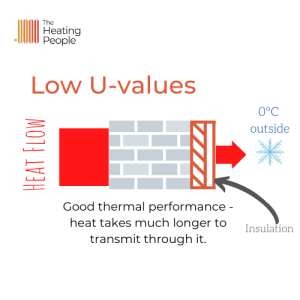
A draughty old house with no insulation and single glazing, will have a high U-value, indicating poor thermal performance. Whereas the new build with double glazing and plenty of insulation, will have a low U-value, indicating good thermal performance.

Diagram showing low u-values.So generally, the better (i.e. lower) the U-value of a building’s fabric; the less energy is required to maintain comfortable conditions inside the building. And the less output you will need from a boiler.

And this is why heat loss matters for getting a new boiler…


Why are heat loss calculations vital for installing new boilers?

Worcester Bosch Greenstar 8000 next to a ruler and a question mark.Heat loss is the gold standard in determining the correct size of boiler for your home.

Completing a whole house heat loss calculation is the industry standard for sizing boilers; under Part L of the Energy Efficiency Regulations. These regulations provide guidance on the conservation of fuel and power under The Building Regulations Act 2010.

Performing heat loss calculations ensures that boilers are not oversized, and are working to their maximum efficiency, thereby saving energy.

Saving energy will not only save you money on your fuel bills; but it’s also helping the planet by reducing your carbon emissions.

Under the Paris Agreement 2015, the UK has a legal commitment to reach net zero carbon emissions by 2050. To achieve this, heating plays its part.

The Energy Saving Trust says that we need to reduce our heating emissions to 138 kg CO2 per household. This is a reduction of 95%. Increasing the use of renewable energies is the main way of tackling this issue.

Nonetheless, carbon emissions are also reduced by making our current central heating systems more efficient.

What are heat loss calculations?

Here’s the science bit… Heat loss calculations determine your property’s heat transfer coefficient. They look at the thermal transmittance or ‘U-values’ of all the external fabric of your building; and its volume and average ventilation rate.

The altitude and exposure of your home will also affect this.

The calculation provides the total space heating energy flow rate in watts; divided by the temperature difference between the inside and outside air.

Alt attribute: Diagram of a house with heat being lost, next to a clock and a calculator.

Or, in other words, a heat loss calculation works out how quickly heat can escape out of the fabric of your home; whether from conduction; convection; or radiation; on the coldest day of the year.

This allows you to choose the optimum size of boiler for your needs. It avoids wasting energy and money whilst being comfortably warm.

How do The Heating People perform heat loss calculations?

The Heating People always perform a whole house heat loss calculation to determine the correct size boiler for your home.

Our whole house heat loss calculation is included as standard as part of your quotation for a boiler replacement.

It’s conducted as part of your survey, and only takes about ten minutes on site. We use heat engineer software. This enables us to size a gas or an oil boiler.

For more detailed calculations for renewable energy systems; or if your house is borderline between two boiler sizes; we can complete a room-by-room cross calculation for a more accurate result.

During a whole house heat loss calculation, we will:

  • measure the outside of your building;
  • record what the fabric of your building is made from;
  • count the number of skylights you have;
  • look at how many stories your home has;
  • measure the height of the stories in your home;
  • record the location of your home; and
  • factor in the altitude.

Our standard heat loss calculation is based on an indoor temperature of 21°C. The outdoor temperature varies depending on the altitude and location of your home. In Merseyside and most of Cheshire the outdoor temperature for our calculations would be -2.2°C.

The room-by-room method of heat loss calculations is much more detailed and is a separate chargeable service. It takes up to two hours on site, and is then completed away from site on a desktop computer.

With room-by-room calculations, we start with the same basic information as for the whole house calculations. But we then measure each room, window, door and skylight individually. This allows us to consider small variations in building fabric; for example, where some walls have been insulated, but others haven’t.

So, if you’re thinking of investing in your next boiler, contact The Heating People today.

Useful Links:

Conservation of fuel and power: Approved Document L

The Energy Saving Trust: Domestic sizing method

Energy Saving Trust: Reducing heat loss

Categories
Heat pumps

What are heat pumps?

A heat pump installation by The Heating PeopleIf we had a pound for every time we heard the words: ‘heat pump’, in the last week; we’d be rich! Heat pumps have been dominating the news; ever since the government released its new ‘Heat in Buildings’ strategy ahead of COP26 next week.

The government’s ambition is to be installing 600,000 heat pumps per year by 2028.

But what are heat pumps and what’s the big deal?

At its simplest, a heat pump is a device that transfers thermal energy from one point to another. They look a bit like air conditioning units.

Although they use electricity to run; they’re considered a much greener way of heating your home. Unlike your boiler, they don’t need to burn fuel (usually gas) to create heat.

When we burn fuel, we’re releasing carbon dioxide into the atmosphere; which is what we’re trying to reduce in our battle against climate change. Although modern boilers are much more efficient than they used to be; (partly due to Boiler Plus), they still release some emissions.

Heat pumps emit less carbon emissions than boilers, but they still need to use electricity to drive the pump. So, they’re not completely zero-carbon unless the electricity is provided by a renewable source, such as solar power.

Are gas boilers being banned?

A heat pump installation by The Heating People.Because of the media frenzy regarding a supposed ‘boiler ban’; we dedicated a whole blog to this question – you can read it here.

But in short, the government has announced an ambition to phase out the installation of new gas boilers beyond 2035; in favour of ‘greener’ alternatives. This won’t impact your current boiler, and you can still replace your current one until 2035.

But in the future; we’re likely to see a combination of both hydrogen boilers and heat pumps being used to heat our homes; hence this blog!

How heat pumps work

At its simplest, heat pumps transfer outside energy into heat for your heating and hot water system.

Some heat pumps extract energy from the air, and these are known as ‘air source heat pumps’. Another type of heat pump extracts energy from the ground, and these are known as ‘ground source heat pumps’.

As their name suggests, they pump heat. They take energy (from the air or the ground) from a low temperature source; and force that heat to a higher temperature for our heating.

Heat pumps are often compared to a refrigerator to explain how they work. This immediately seems odd because your fridge is cold, right?! But fridges don’t work by making the inside cold, they work by pumping the heat out, thereby cooling the inside.

So, an air source heat pump works like a reverse fridge. It extracts warmth from the outside air before concentrating it. It then transfers it into your home to provide heating and hot water.

Ground source heat pumps work in a similar way. But they collect heat from pipes running underground, rather than from the air.

The different types of heat pumps

As we’ve mentioned, there are two main types of heat pumps, air source and ground source. Let’s take a closer look at each…

Air source heat pumps

An air source heat pump works by using a fan to draw in air from the outside. It absorbs the heat into a liquid refrigerant.

Using electricity, the heat pump compresses the liquid to increase its temperature.

It then condenses back into a liquid to release its stored heat. Heat is sent to your radiators or is stored in a cylinder for later use.

Air source heat pumps are easier to install than ground source. This is because they don’t need the network of underground pipes that a ground source heat pump requires.

Ground source heat pumps

Ground source heat pumps collect heat from the ground through a network of water pipes buried underground.

A mixture of water and anti-freeze is pumped around the network of pipes; and absorbs the naturally occurring heat in the ground. This heat is then transferred to a liquid refrigerant inside the heat pump.

At this point, the process is the same as with the air source heat pump. Electricity is used to compress the liquid refrigerant to increase its temperature. It then condenses back into a liquid to release its stored heat. Heat is sent to your radiators or is stored in a cylinder for later use.  

Ground source heat pumps are more expensive than air source heat pumps; because of the network of underground pipes that need to be installed. But they do tend to be more efficient.

Do heat pumps work as well as a conventional boiler?

As soon as any new initiative is launched, you can expect some scare mongering in the news and social media! But heat pumps (when properly fitted by an expert) are just as good; and in many ways better; than a conventional boiler.

Despite what you might have read online; properly installed heat pumps are more than capable of keeping your home warm on the coldest of days.

It’s understandable that people are concerned about how a device is going to absorb heat from the ground when it’s snowy out. But there’s no need to worry!

In the UK, the temperature of the ground doesn’t usually fall below 10 °C. Although you might think that’s a bit nippy, there’s still heat in the ground for the taking. Air source heat pumps will use ambient heat.

Heat pumps are much more efficient than your gas boiler, producing around three times the amount of energy they use!  According to Octopus Energy, for every kW of electricity given to a heat pump, it creates between 2-4kW of heat.

What does it cost to install a heat pump?

An engineer installing a heat pump.The cost of installation varies depending on what system is being installed. The only way to find out how much it’ll cost for your home is to get an initial survey completed.
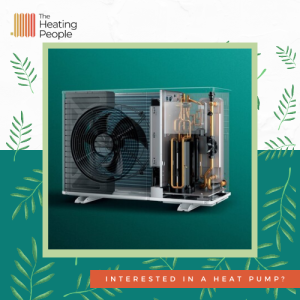
But heat pumps are currently much more expensive than gas boilers.

The Energy Saving Trust estimates that a typical air source heat pump installation will cost you around £6000 – £8000.

A ground source heat pump installation can cost  £10,000 – £18,000 depending on the amount of heat required.

The government is currently looking at how to reduce the cost to encourage uptake. You can currently apply for funding for a heat pump under the Renewable Heat Incentive. And there will also be grants of £5,000 through the new Boiler Upgrade Scheme.

What financial help is there to install a heat pump?

A Vaillant heat pumpThe government is giving households grants towards the cost of installation; to try and achieve its target of installing 600,000 per year by 2028.

Under the new ‘Boiler Upgrade Scheme’; grants of £5,000 will be made available to help households install air source heat pumps. There will be grants of up to £6,000 available towards the cost of installing a ground source heat pump.

The government has set aside £450 million for the grants, with the total money allocated enough to cover 90,000 homes.

The grants will be available for three years from April 2022. Details of how to apply are yet to be published. Unfortunately, the scheme is likely to be massively oversubscribed.

You can already apply for funding via the Renewable Heat Incentive (RHI) until March 2022. Buyers must pay for the work upfront; and then reclaim the RHI payments; which are paid quarterly for the first seven years of ownership.

What savings can be made with a heat pump?

A heat pump installation by The Heating PeopleIf you’re replacing a G-rated gas boiler with an air source heat pump, you should reduce your energy bills. But right now, not by a lot. And in fact, there are concerns that people might end up paying more each year.

Why is this?

Well, even though heat pumps are much more efficient than gas boilers; electricity is currently three times the price of gas!

This is because there are higher environmental levies on electricity. This adds 23% to energy bills while gas only has a levy of less than 2% – to subsidise renewable energy. But the government is hoping that will switch around as more heat pumps are installed.

What are the advantages and disadvantages of installing a heat pump?

86% of UK homeowners currently rely on gas central heating. So how does a heat pump compare?

Advantages of heat pumps

Let’s start with the advantages of heat pumps…

They are incredibly efficient

One of the biggest advantages of heat pumps is that they’re incredibly energy efficient. This is referred to as the Coefficient of Performance (CoP).

The CoP is the amount of heat generated for every kilowatt of electricity used. An air source heat pump can convert each kilowatt (kW) of electricity into 3-4 kW of heat.

This means that they’re between 300%-400% efficient!

This is pretty impressive when you compare it to a modern gas boiler with an energy efficiency of about 92%!

Heat pumps manage this impressive energy efficiency because they transfer heat rather than generate it.

aroTHERM heat pumpThey can save you money on your energy bills

Because heat pumps are so efficient; they can save you lots of money on your energy bills (certainly once the price of electricity comes down!)

To illustrate this, think about a modern boiler with 92% energy efficiency. This boiler will use 92% of the supplied energy for heating your home. But the remaining 8% of energy will be lost in the process of generating heat. So, this means that for every £1 you spend on heating your home, this boiler is wasting 8p!

Now think about a heat pump with 300% energy efficiency. Not only is this heat pump not wasting energy, but it’s also giving out more than you put in. Hopefully it’s now easy to see what a positive impact a heat pump can have on your energy bills!

They reduce your carbon footprint

An engineer installing an aroTHERM heat pump.The government is pushing heat pumps because they’re much more environmentally friendly than gas boilers.

According to EDF Energy; installing a heat pump could cut your carbon emissions by more than 23 tonnes of CO2 over 10 years. That’s the same as 30 return plane flights between Heathrow and Madrid!

Heat pumps use some electricity to run. But if you’re able to power them with electricity from renewable sources; such as solar power; they are completely carbon neutral.

They require minimum maintenance

A good quality and well installed air or ground source heat pump system will require relatively little maintenance. You’ll just need an annual check which can be done either by a qualified installer or engineer.

There is financial help available for installing a heat pump

Whilst the cost of installing a heat pump is currently high, there is some financial help available. You can already apply for RHI payments. And the new £5,000 Boiler Upgrade grants will shortly be made available to 90,000 homes over the next three years.

Disadvantages of heat pumps

As with all things, there are always some drawbacks…

They have a higher upfront cost

Whilst installing a heat pump is pricey; it’s important that you weigh that against the pay back you’ll get on your energy bills. And don’t forget the environmental benefits!

If you’re able to get a government grant; the price of your new heat pump will be comparable to a gas boiler.

It’s also likely that the price of heat pumps will come down. But by just how much, is yet to be seen.

They are not 100% carbon neutral

This isn’t really a disadvantage as such because heat pumps are much more eco-friendly than traditional gas boilers. But it is important to be aware that heat pumps are not 100% carbon neutral. This is because they use a small amount of electricity to run.

If you want to be completely carbon neutral; you’ll need to run your heat pump on electricity from a renewable source such as solar power.

They won’t save you as much on your energy bills until the cost of electricity comes down

As we mentioned earlier, electricity prices are currently very high, particularly in comparison to gas. But it’s important to remember that heat pumps are so efficient; they can convert a unit of electrical energy into 2-4 times as much heat energy. There is also pressure on the government to look at electricity costs to improve uptake. So watch this space…

They are tricky to install

Heat pumps are more complicated to install than conventional boilers. And there’s a lot of excavation work required for a ground source heat pump. As with all heating installations, it’s important to get a qualified engineer to conduct the works.

They need good property insulation

Again, not so much a disadvantage per se, more like something to be aware of. But for heat pumps to work as they should; it’s important that your home is well insulated with double glazing; cavity wall insulation; and a decent level of roof insulation.

Final thoughts…

The Heat Geek Elite logo.Heat pumps are a significant part of the government’s strategy to keep the UK on track with its goal of being carbon neutral by 2050. They’re a great choice as an eco-friendly approach to heating our homes.

But they’re not the only choice. The government is also looking into using hydrogen for heating but wants to see results from a pioneering ‘Hydrogen Village’ before it makes further decisions. So watch this space!

Useful links

Government Heat in Buildings Strategy – October 2021

Worcester Bosch video explaining heat pumps

Renewable Energy Hub guide to Heat Pumps

The Guardian article on heat pumps: The costs and savings stack up

The Guardian article: What are heat pumps and why are the government pushing them?

Heatpumps.org: What is a heat pump?

Which? article on heat pumps

EDF Energy: Heat pumps and lowering your carbon footprint

Categories
Advice

What size boiler do I need?

When you’re searching for a new boiler, size matters. Investing in the right size boiler will keep you and your family comfortable, without wasting energy and money.

The tricky thing is, there’s no such thing as a ‘one size fits all’ boiler. Your boiler needs to be the correct size for your particular household.

If you choose a boiler that’s too big, you’ll be wasting energy and paying over the odds on your bills. But if it’s too small; it might not be powerful enough to heat your home; or give you enough hot water.

So, you’re facing the Goldilocks conundrum of finding a boiler that’s ‘just right’.

This can be a daunting task; because there’s lots of conflicting advice out there; and unlike Goldilocks, you can’t try them all out.

But fear not, because The Heating People pride ourselves on finding the perfect boiler to fit your needs and budget.

If you want to gain a better understanding of how different types of boilers are sized, this blog’s for you!

You might also like our related blogs: Your options with a boiler replacement and 6 top tips for buying a new boiler.

What is the best practice for choosing a size of boiler?

This might come as a surprise, given the number of boiler finding ‘calculators’ you’ll see online. But counting radiators is NOT the answer! This is completely inaccurate.

The correct way to size a boiler is through a whole house heat loss calculation. This is the industry standard for sizing boilers under Part L of the Energy Efficiency Regulations.

These regulations provide guidance on the conservation of fuel and power under The Building Regulations Act 2010.

This Energy Efficiency Best Practice requires that heat loss calculations be conducted before a boiler is installed.

Rest assured, that The Heating People conduct heat loss calculations as standard.

Should I just get the same size boiler as I have currently?

No. Whilst it seems logical to use the size of your current boiler as a guide; it should be just that; a starting point in beginning your choice.

A boiler is a significant investment, and it’s important you get it right. You’ll be expecting your boiler to work hard for you around the clock for at least the next ten years.

Simply assuming that you need the same again, could be a costly mistake. Lots of circumstances have probably changed since your old boiler was installed. And it might have been incorrectly sized years ago, when it was first installed.

What is the problem with oversizing a boiler?

Worcester Bosch Greenstar 8000 next to a ruler and a question mark.When it comes to boiler sizing, bigger isn’t necessarily better. Despite what manufacturer’s boasting their 50kW combi boilers seem to have you believe! Whilst it can be tempting to oversize the boiler, ‘just in case’, this is a mistake.

If you choose a larger boiler that has a much higher capacity than you need; you’ll be wasting money not only on the initial purchase; but also on escalating energy bills.

Too much power isn’t a good thing when it comes to central heating. It’s inefficient; costly; and can generate more power than your central heating system can handle; which will take its toll on your boiler.

Oversized boilers heat up too quickly; run for a short time; and then will turn off; before the cycle starts again.

This constant stop-starting, or ‘boiler cycling’ uses more fuel, costing you money on bills; and potentially on repairs and replacements.

What is the problem with undersizing a boiler?

Too small isn’t a good thing either. If you try to save money by choosing a smaller boiler than you and your family actually need; you’ll find that you’re feeling the chill; and running out of hot water, because your undersized boiler can’t keep up with your demands.


How is boiler size measured?

A boiler next to a boy dressed as a superhero.Boiler size doesn’t refer to the physical dimensions of the appliance itself; but rather how much energy is output by the boiler in terms of heat. This is measured in kilowatts (kW).

A kilowatt is equal to 1,000 watts. This unit helps us to measure the power your boiler can provide to your heating system.

For example, a 25kW boiler uses 25,000 watts (25 kW) of power per hour; to heat the water for your central heating.

Generally, the more heat and hot water you require for your home, the higher the kW boiler you will need. But the type of boiler you have will affect this.

If you have a heat-only or a system boiler; the boiler size will be based on the heat requirements of your property.

For combi boilers, the size of the boiler you need looks ‘bigger’. This is because it produces instantaneous hot water on demand, rather than storing it.

Does a Higher kW Boiler Cost More to Run?

As you would expect, the larger your heating and hot water demands; the larger the size or kW boiler you will need, and the more it will cost to run.

This is one of the reasons why you’ll want to avoid choosing an oversized boiler for your home.

The 3 types of boiler available

A man looking at different doors.There are three main types of boilers (heat-only or conventional, combi and system).

Within these types of boilers, different sizes are available to cater for different household demands – and the type of boiler helps to determine the correct sizing.

●     Heat-only or conventional boilers

Heat-only boilers provide heating and hot-water, with the use of an additional cold-water tank and hot-water cylinder.

These boilers need a large feed tank which is usually stored in an attic or loft. This tank receives cold water from the mains and feeds it down to your boiler.

Once the fuel has been ignited; the heat exchanger warms water; which is then transported to the hot-water cylinder by a pump.

This stored hot-water is then sent to your taps and radiators when you need it.

These boilers work well in large households with multiple bathrooms. They can supply large amounts of hot water to multiple outlets at the same time.

●     Combi boilers

‘Combi’ is short for ‘combination’ boiler because it provides both your heating and hot water from one all-in-one (combined) unit.

Combi boilers don’t need any external tanks or cylinders. They heat water directly from the mains when you turn on a hot tap.

They typically have two heat exchangers, one for your heating (radiators) and the other for your hot water supply.

The primary heat exchanger focuses on your radiators and carries hot water around your home. The secondary exchanger is for heating the water that comes out of your taps.

●     System boilers

System boilers feature aspects of both a conventional boiler and a combi.

Like a heat-only boiler; a system boiler needs a hot water storage cylinder to heat and store hot water for your taps.

But it doesn’t need a tank in the attic. Like a Combi; it takes its water supply directly from the mains.

This cold water is then heated via a heat exchanger, which transfers energy from the gas jets to the water. Once heated, the water is pumped into a large hot water cylinder, where it is stored until required.

Since there is a large store of hot water always available; a steady supply can be maintained even if multiple taps or showers are in use at the same time.

Why are the different types of boilers sized differently?

Heat-only and system boilers operate differently from combi boilers. So the way in which we choose the correct size of each, must reflect this.

Heat-only and system boilers only have a central heating output because they store the domestic hot water in a cylinder.

Therefore, these types of boilers are sized using a heat-loss calculation, which establishes the heat requirements of your home.

Combi boilers work differently, because they directly provide central heating and domestic hot water on demand; so they have two separate output ratings: Central heating (CH) output and Domestic hot water (DHW) output.

Whilst heat-loss calculations are still relevant for sizing a combi boiler; the main factor in determining their size, is hot water demand.

Why do combi boilers have higher kW than system and conventional boilers?

Question marks by a piece of paper.For combi boilers, the size of the boiler you need in kW looks ‘bigger’ than for heat-only and system boilers. This is because of the way in which combis work.

It doesn’t mean that combi boilers are less efficient than their counterparts.

Combi boilers need more power because they heat up the hot water on demand; rather than storing hot water in a cylinder for later use.

A combi boiler will only be using this maximum power when it’s producing hot water for your hot taps; baths; and showers.

Is a larger size boiler always better for bigger homes? 

Although larger homes will generally have a higher demand for heating and hot water; it doesn’t necessarily mean that a bigger boiler is required.

In the past, the physical size of your property and the number of radiators you had; was used to determine boiler size. And you’ll probably find a lot of installers still using this crude method. But this is inaccurate, and doesn’t follow the industry standard under Part L of the Energy Efficiency Regulations.

To illustrate the inaccuracy of this approach; imagine that there are two neighbouring houses of the same physical size; and each having exactly the same number of radiators as the other.

One house is very old with single glazed windows, and no insulation. The other house is a modern new-build with double glazing and lots of insulation.

The first draughty old house will lose its heat very quickly; and will need much more power from a boiler to keep it warm.

Conversely, the second house will lose its heat much more slowly; and will therefore need less power from a boiler to keep it warm.

And it wouldn’t matter if we installed more radiators either. The boilers would still need to output the same amount of power to match the heat loss.

Heat loss not home size!

So, it isn’t the size of your home; or the number of radiators it has; that matters when it comes to choosing the size of your boiler. 

To provide enough heat to your rooms; the heating system output must be greater than the heat loss.

Therefore, a boiler shouldn’t be installed unless a heat-loss calculation has been conducted.

And this is why heat loss calculations are the industry standard for sizing boilers; under Part L of the Energy Efficiency Regulations.

The Heating People always conduct a heat loss calculation before we recommend the size of boiler you require.

Sizing a boiler: Heat loss calculations

A calculator next to a thermal image.So here’s the science… Heat loss calculations work out a building’s heat transfer coefficient. They look at the thermal transmittance or ‘U-values’ of all of the external fabric of the building; along with its volume and average ventilation rate.

This provides the total space heating energy flow rate in watts; divided by the temperature difference between the inside and outside air.

Or, in layman’s terms; a heat loss calculation determines how quickly heat can escape out of the fabric of your property.

Different properties are built using different methods, materials, and levels of insulation; all of which affect the rate at which heat transfers through them.

As in our previous example; a draughty old house with no insulation and single glazing; will have a high U-value, indicating poor thermal performance.

Whereas the new-build with double glazing and plenty of insulation, will have a low U-value, indicating good thermal performance. Even altitude and exposure will impact this.

A heat loss calculation works out how much heat your home will lose on the coldest day of the year; which allows us to advise you on the optimum size of boiler for your needs.

How much heat can be lost from a building?

Thermal image of a houseWhether we like it or not, all buildings lose heat. The Climate Change Committee says: “UK housing stock is one of the oldest and worst insulated in Europe; with 38% of homes built before 1946 and only 15% since the 1990s.”

As such, according to the Energy Savings Trust:

  • 25% of your heat can be lost through the roof;
  • 35% through outside walls;
  • 25% through doors and windows; and
  • 15% can be lost through ground floors.

Insulating and draught-proofing your home is one of the best ways of reducing your home’s heat loss. And then sizing your boiler correctly will ensure that you always have adequate heat.

How do The Heating People perform heat loss calculations?

A calculator next to a thermal image.We always perform a whole house heat loss calculation to determine the correct size boiler for your home.

Our whole house heat loss calculation is included as standard as part of your quote for a boiler replacement.

It is conducted as part of your survey, and only takes about ten minutes on site. We use heat engineer software to size gas or oil boilers.

For more detailed calculations for renewable energy systems; or if your house is borderline between two boiler sizes; we can complete a room by room cross calculation for a more accurate result.

What is a whole house heat loss calculation?

With a whole house heat loss calculation, we will:

  • measure the outside of your building;
  • record what the fabric of your building is made from;
  • count the number of skylights you have;
  • look at how many stories your home has;
  • measure the height of the stories of your home;
  • record the location of your home and the altitude.

Our standard heat loss calculation is based on an indoor temperature of 21°C.

The outdoor temperature varies depending on the altitude and location of your home. In Merseyside and most of Cheshire the outdoor temperature for our calculations would be -2.2°C.

What is a room-by-room heat loss calculation?

The room-by-room method of heat loss calculations is much more detailed and is a separate chargeable service. It takes up to two hours on site, and is then completed away from site on a desktop computer.

With room-by-room calculations, we start with the same basic information as for the whole house calculations. But we then measure each room, window, door and skylight individually.

This allows us to consider small variations in building fabric, for example, where some walls have been insulated, but others haven’t.

Sizing a combi boiler

Lots of different boilers.Although heat loss is still a relevant factor in determining the correct size of combi boiler; the most significant factor when sizing a combi is its hot water performance, rather than space heating.

This is because unlike heat-only and system boilers; combis don’t store hot water, so they need to have enough power to meet your hot water demands.


How do I work out what my hot water demand is?

When thinking about how much hot water you need from your central heating system; a good starting point is looking at how many bathrooms you have.

Generally, homes with multiple bathrooms have a higher hot water demand, and therefore a larger boiler size is needed.

The number of bathrooms you have will not only affect the boiler size; but also the recommended type of boiler for your home.

If you have two or more bathrooms; a heat-only or system boiler is probably a better choice than a combi boiler.

This is because combi boilers don’t store hot water. And a combi’s hot water flow rate is reduced if two showers are running simultaneously.

Since heat-only and system boilers store hot water in a cylinder; they can supply multiple outlets at the same time; without the hot water flow rate being affected.

How do you use your hot water?

Now this doesn’t mean that you can’t have lots of hot showers with a combi boiler, quite the opposite!

A combi will never run out of hot water because it heats water instantly on demand; unlike heat-only and system boilers, that might run out of hot water for a short time while the cylinder refills.

So, this is where it’s important to consider how you use the hot water in your home.

If showers are taken consecutively in the morning, a combi will be fine. But if you want multiple showers on at the same time, a heat-only or system boiler will often be the best choice.

The Heating People will be able to advise you on what size will be just right for your home after completing a survey and a heat-loss calculation. But here is a rough size guide:

  • 24 – 30 kW Combi

Suitable to provide heating and hot water to a home with one bathroom. If you have an en suite with an electric shower, this size of boiler will still be suitable.

  • 30-36 kW Combi

Suitable for homes with two bathrooms. 

  • For larger homes with more than two bathrooms, a storage combination boiler or stored hot water should be considered. Although larger Combi boilers are available, they’re often not the best solution.

We hope that you’ve found this blog useful. For tailored advice on finding the correct size boiler for your needs, contact us today to book your free survey.

Useful Links:

A study for the Climate Change Committee to inform the 6th carbon budget

Report by the Climate Change Committee on heat in buildings

Domestic heating sizing method by the Energy Saving Trust

Government factsheet on Boiler Plus

Heat in Buildings – Government Consultation Paper on Boiler Plus

Categories
Advice

10 Tips for saving money on your energy bills

Looking for some tips for saving money on your energy bills?
With wholesale gas prices skyrocketing 250% since January, we’re willing to bet that you want to make some energy savings where you can.

A whopping two-thirds of the energy used in UK homes goes on our central heating and hot water.

Ofgem says that the average household spends around £1,2542 every year on electricity and gas bills (it’ll be more this year!) – but there are some simple things that you can do to reduce this. 

With some tweaks to your habits, you could cut your energy bills and spend the money you save on something you enjoy instead.

So, if you want some tips on saving some cash (whilst doing your bit for the planet too), this blog’s for you!

You might also like our related blog: 22 Tips to reduce your gas bill.

1.   Save money on your energy bills by replacing your old boiler

A clock next to a Worcester Bosch boiler.If your boiler is in its golden years, it’s worth considering replacing it for a new, efficient model.

New boilers are more efficient than older ones (because they have condensing technology) and can therefore save you money on your heating bills.

This is because an efficient boiler needs to burn less fuel (usually gas) to keep you comfortable. An older, inefficient boiler burns loads more fuel to do exactly the same job, which makes it more expensive to run, and worse for the planet.

As well as older boilers tending to be less efficient to start with, their efficiency can also deteriorate further with age.

The Boiler Plus legislation requires that all new combi boilers are A rated for energy efficiency, which means that they are at least 92% efficient.

But if you’ve got an older G rated boiler, it could be 70% efficient or less! This means that for every £1 you spend on your heating bill you are wasting 30p on lost energy.

The Energy Saving Trust estimates that you could save as much as £340 a year on your gas bill if you’re trading in an old-style non-condensing boiler for a new condensing one.

So, if you have an old boiler; or you’ve noticed it isn’t performing like it used to; or your energy bills are increasing without explanation; it might be worth discussing with us whether a new boiler could save you money.

You might also like our related blogs: How to choose an energy efficient boiler and The best combi boilers 2022.

2.   Save money on your energy bills by servicing your boiler

Just like getting an MOT for your car, your boiler needs to be serviced annually by a Gas Safe engineer.

Not only will this help to keep your boiler safe, but it will help you to save money on your heating bills.

A well-maintained boiler will run more efficiently because a service will clean up any deposits that have built up in the boiler.

Ensuring that the internal combustion areas are free of dirt and debris will improve the heat transfer, allowing your boiler to light more easily and burn efficiently, which can lead to lower heating bills.

3.   Save money on your energy bills by turning down your thermostat

Ok, ok, we know this isn’t a popular one – but stay with us!

We’re not suggesting that you should have to freeze your butt off or wear ten jumpers at home! But by turning down your thermostat down by as little as 1ºC can cut your annual bills by up to 10%.

Lots of people are tempted to crank up the heating when it gets chilly out. In fact, according to the Energy Saving Trust, 52% of people mistakenly believe that turning up their thermostat will heat their home up faster.  But this simply isn’t true.

Thermostats don’t have any control over the speed at which your house heats up, all they do is set the maximum temperature that you want your room to be.

So, if you’ve let your home get freezing cold, and then you crank your thermostat up to 28, it will still heat the rooms at the same speed that it would if it was set to 21. The result is that you’ll get uncomfortably hot and have wasted a significant amount of energy by overheating your home.

The Energy Saving Trust says that turning your thermostat down by one degree can help you to save £60 on your annual energy bills and reduce your carbon emissions by 310kg a year.

With this much financial and environmental sense, it must be worth a degree – would you even notice the difference?

4.   Save money on your energy bills by using timers

You don’t need your heating to be on full blast 24/7 to be comfortable, and if you’re paying to have a warm house when you’re sleeping or are out at work, you’re wasting money burning energy you simply don’t need.
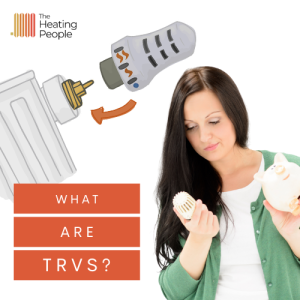
A timer or programmer allows you to control when your heating and hot water comes on and when it goes off.

Using timers to program when your heating system comes on, and turns off, will make sure you’re warm and cozy when you want to be, without wasting money.

The trick is to set your heating to come on half an hour before you get out of bed, or get home from work, because an average home takes around 30 mins to heat up when the heating comes on.

5.   Save money on your energy bills by using Thermostatic Radiator Valves

A woman holding a TRV.Just as you don’t need your heating on 24/7 to be comfortable, you probably don’t need all your rooms to be always at the same temperature.

Do you even use all the rooms that you’re heating?

Whilst some rooms need to be warm, it’s pointless (and wasteful) to keep your bedroom warm, whilst the whole family is sat in the kitchen.

Installing Thermostatic Radiator Valves or ‘TRV’s’ is a simple, and relatively cheap solution to this problem.

A TRV is a valve that attaches directly to the top or bottom of your radiators, letting you control the temperature of individual rooms, or ‘zone’ your heating. This means that you can turn down the heat in rooms you are not using, which will save energy.

The Greenage says that energy savings resulting from using TRVs can be as high as 40%. But this will depend on the efficiency of your radiators, your insulation and how many rooms your TRVs are installed in.

The EST estimates that you will save £75 and 320kg of carbon dioxide a year by installing and correctly using a programmer, room thermostat and thermostatic radiator valves.

As well as saving money, TRVs can also help you tailor your heating to exactly how you like it.  So, if you like it warm in your lounge while you’re watching Netflix, but prefer your bedroom cooler for sleeping in, you can adjust your TRVs to reflect this.

6.   Save money on your energy bills by drying your clothes on an airer

Are you guilty of hanging your washing on your radiators to dry? If so, you’ll be reducing the efficiency of your heating and thereby increasing your heating bills.
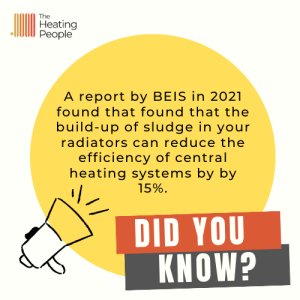
This is because radiators produce around 80% of their heat through convection, and if you obstruct them with clothes or heavy curtains, they won’t be able to heat your room properly. Invest in a separate clothes airer instead.

Also check whether your radiators need bleeding.

7.   Save money on your energy bills by getting a power flush

Statistics from BEISIf you’ve noticed cold spots on your radiators, or your home doesn’t seem to be warming up like it used to, don’t just turn your heating up and hope for the best.

This will only serve to increase your energy bills further.

Instead, you should consider whether you need a power flush.

To remain efficient at keeping us warm, our heating systems need to be clean. Over time, a natural but unwanted by-product of heating, known affectionately as ‘sludge’, builds up in your heating system, causing corrosion and blockages.

According to the Department for Business, Energy and Industrial Strategy (BEIS) a build-up of sludge in your heating system could result in you paying 15% more than you need to on your fuel bills!

A Power flush can address this by flushing out the sludge which would otherwise cause damage and reduce efficiency.

8.   Save money on your energy bills by reducing your heat loss

Although we tend to view heating bills as the cost of burning fuel, what you’re ultimately paying for is heat loss.

Whether we like it or not, all buildings lose heat – and the more heat they lose, the more fuel you’ll burn, and the higher your energy bills will be.

By reducing your heat loss, you’ll be lowering your energy bills because you won’t need to burn as much fuel to stay warm.

The amount of heat loss you will experience, depends on a number of factors, such as the type and age of property you live in.

But, according to the Energy Savings Trust, the following estimates indicate the proportionate heat loss from a badly insulated house:

  • 25% of your heat can be lost through the roof;
  • 35% through outside walls;
  • 25% through doors and windows;
  • 15% can be lost through ground floors.

Since heat is lost from your home through your roof, windows, walls, floors and through gaps around windows and doors; you can reduce your heat loss by draught proofing and insulating your home.

We’ve dedicated a whole blog to reducing heat loss at home. But lets look at a few tips here:

●     Save money on your energy bills by draught-proofing

This is one of the cheapest and most effective ways to save energy in your home. The promise is very simple – stop cold air coming in and prevent warm air from going out.

By saving your warm air, you’ll not only feel snug and warm, but you’ll need to use less energy to heat your home.

Draught-proofing can be as simple as getting draught excluders for your doors; using heavy curtains; and using a chimney balloon when your chimney isn’t in use.

According to the Energy Saving Trust, draught-proofing around windows and doors could save you around £20 a year, and if you have an open chimney, draught-proofing your chimney when you’re not using it could save around £15 a year. 

●     Save money on your energy bills by topping up your loft and wall insulation

Loft and wall insulation works by reducing the amount of heat lost from the fabric of your building, reducing the amount of energy you need to heat your home, and saving you money on your energy bills.

The thicker your insulation is, the more effective it will be at stopping the heat from leaving your house.

Topping up your loft insulation from 120mm to 270mm could cost around £240, but the EST says this will save around £12 a year on energy bills.

If you have uninsulated cavity walls, adding cavity wall insulation could save you up to £150 a year off your energy bills (based on a typical 3-bedroom semi-detached house)

If you have solid wall insulation, you can save around £260 a year off your energy bills (based on a typical 3-bedroom semi-detached house).

9.   Save money on your energy bills by purchasing energy efficient appliances

An ATAG boiler with a 14 year guarantee badge.It’s not just boilers that are energy rated, other appliances in your home such as your fridge freezer are rated too.

So, when it’s time to replace your appliances, go for the most efficient version.

The most efficient products are those rated as “A” and the least efficient are those rated “D”.

Once you have your efficient appliances, make sure that you turn them off where possible, rather than just leaving them on standby.

The Energy Saving Trust estimates the average home wastes around £35 a year by doing this!

10. Save money on your energy bills by checking you’re not overpaying your energy supplier.

If you’ve been with the same energy supplier for a while, it’s worth checking whether you’re now paying over the odds.

Unfortunately, it’s common for energy suppliers to roll their existing customers onto their most expensive tariff after their initial contract has ended.

By shopping around, and switching to a new supplier, you might well see big savings on your next bill!

If you want us to help you improve the efficiency of your heating system, call The Heating People today.

Useful Links:

BBC news article on gas prices

Ofgem article on fuel bills

10 energy saving tips from The Energy Saving Trust

Energy Saving Trust article on reducing heat loss

The Greenage review of TRVs

Categories
Energy efficiency

What is Boiler Plus?

Diagram showing Boiler Plus.If you’re on the hunt for a new boiler, chances are you’ve come across the phrase: ‘Boiler Plus’. But you might be confused about what it means.

In this blog, we’ll explain what Boiler Plus is; why it came about; and how it’s relevant to you when you buy a new boiler.

Boiler Plus is a new(ish) set of rules on energy efficiency; designed to improve the way you use energy in your home.

It gives you greater choice and control over your energy usage. This results in savings on your energy bills – which is even more important now, given the rising cost of gas!

Why did Boiler Plus come about?

The Boiler Plus rules came into force in April 2018; following a public consultation into the future of heating in homes. The report was written by the Department for Business, Energy and Industrial Strategy (BEIS) in December 2016.

BEIS found that the energy we use to heat our homes and businesses; currently accounts for around 5% of average household expenses; almost half of our energy consumption; and a third of all carbon dioxide emissions.

The aim of the consultation was to look at ways of cutting bills and carbon emissions; by improving the performance of heating systems. It gives households more choice over how energy efficient devices are used in their homes.

The report led to some significant changes to the regulations on heating manufacture and installation in the UK. These changes have been having an impact on boiler manufacturers, installers, and homeowners since the 6th of April 2018.

Why is the government pushing boiler plus?

A zombieAs part of the Government’s ‘Heat in Buildings’ programme, Boiler Plus was created to maximize energy efficiency in homes. This is important because each year in England about 1.2 million boilers are installed in our homes; either for the first time; or to replace an older boiler.

Since our homes account for around a third of our energy consumption; and 15% of all carbon dioxide emissions; it’s perhaps unsurprising that the Government is focusing on increasing energy efficiency at home.

The goal is to improve energy performance in private homes to Band C by 2030; in order to hit the UK’s 2050 carbon reduction target.

Boiler Plus is not the first drive in this area, though. In the 1990s, the UK set minimum performance standards for boiler replacements.

In 2005, UK Building Regulations guidance was amended to set new performance standards for boiler replacement. It mandated the use of more efficient condensing boilers, over their non-condensing counterparts.

More recently, the government has invested approximately £3.6 billion into the Energy Company Obligation (ECO) Scheme. This scheme is intended to help eradicate fuel poverty. Its goal is to upgrade all fuel poor homes to Energy Performance Certificate Band C by 2030 to 2035.

What are the main changes made by Boiler Plus?

A woman looking at the ErP scale on a tablet.All boilers must now have a minimum ErP (Energy related Products) rating of 92% . And all gas and oil boilers must have appropriate time and temperature controls fitted.

In addition, when installed, combi boilers must have one of four additional energy saving devices fitted: FGHRS; weather compensation; load compensation; or smart controls with automation and optimisation functions.

Any boilers installed without the measures set out in the Boiler Plus standards, will be non-compliant with the Building Regulations.

Some boilers now have some of these devices built-in. All ATAG boilers come with weather compensation as standard. And the ATAG iC Economiser Plus comes with built-in FGHRS. So, this is something you can ask your engineer about during your survey.

Rest assured that The Heating People will recommend the most appropriate Boiler Plus compliant options for your needs.

You might like our related blog: How to choose an energy efficient boiler.

Who does Boiler Plus apply to, and does it affect me?

Boiler Plus applies to all households in England for boilers installed from April 2018. If you already have a boiler; and it’s in full working order; and regularly checked and serviced; then Boiler Plus won’t affect you until it comes time to replace your boiler.

Does Boiler Plus apply to all three types of boilers?

All gas boilers must be at least 92% efficient and include time and temperature controls. However, heat-only and system boilers aren’t required to have the add-on efficiency measures that combi boilers must have. This is because most would need further modifications to make them work with energy saving devices.

Does Boiler Plus apply to oil boilers?

The only rule for installing oil boilers; is that they must have time and temperature controls installed. BEIS is aiming to phase out high carbon fossil fuel heating; like oil; as part of their strategy to reach net zero by 2050.

What happens if homeowners don’t comply with Boiler Plus?

A piggy bank next to the ErP scale.If you’re a homeowner, and you’re looking for a new boiler, it’s vital that you go to a reputable company. Beware of any installer offering cheap boilers that fall short of the efficiency requirements of Boiler Plus.

As a homeowner, it’s your responsibility to ensure that your new boiler complies with Boiler Plus. You can be fined up to £5,000 if you knowingly install one that doesn’t. Rest assured that all installations with The Heating People meet all compliance legislation.

What happens if an installer doesn’t comply with Boiler Plus?

Gas engineers who don’t comply with Boiler Plus are breaching the Building Regulations 2010. They face prosecution and fines of up to £5,000.
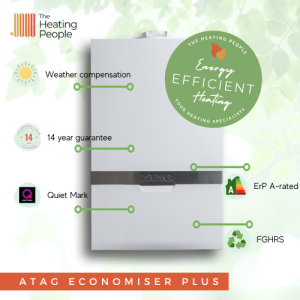
Building Control polices compliance with Boiler Plus. The Gas Safe Register can also refer safety concerns to the HSE (Health and Safety Executive).

Furthermore, if a gas engineer invoices a consumer for non-compliant work; Trading Standards can take action for fraud.

Will Boiler Plus increase the cost for me?

In the short term, the provision of an additional energy efficiency measure with any replacement combi boiler; may cause a slight increase in the initial cost at installation.

However, here at The Heating People, we offer a variety of solutions, to cover different budgets. In the long term, Boiler Plus aims to ensure that your heating system is running efficiently, so that you are saving on your energy bills.

What options do I have when getting a new boiler with Boiler Plus?

1.    Flue Gas Heat Recovery System (FGHRS)

An ATAG Economiser Plus.Flue gas heat recovery systems or ‘FGHRS’ are devices that enable your boiler to reuse or ‘recycle’ heat that would otherwise be wasted as gases out of the flue, to preheat your hot water.

This means that you’ll need to burn less fuel to heat your home, saving you money on your energy bills, whilst also reducing your carbon footprint.

Some studies suggest these systems can deliver the same amount of heat while using up to 4% less gas.

The ATAG iC Economiser Plus and the Vaillant ecoTEC Exclusive are two of our favourite combi boilers because they both have in-built FGHRS.  This makes them immediately compliant with Boiler Plus with only basic controls.

2.    Weather Compensation

A diagram of weather compensation.The Heating and Hotwater Industry Council (HHIC) defines weather compensation as:

‘a control function which maintains internal temperatures by varying the flow temperature from the heat generator relative to the measured outside temperature.’

 In other words, weather compensation devices monitor both the temperature inside your home; and the temperature outside; and adjust your boiler’s operation accordingly.

The reason that the outdoor temperature matters; is that the speed at which heat is lost from your home changes depending on the temperature outside. On a cold day, the heat will be lost more quickly than on a warm day.

A weather compensator tells your boiler to increase or decrease the temperature of your radiators; to match the heat loss caused by the weather. So, instead of your boiler switching on or off depending on when your home gets too cold or too hot; weather compensation will monitor and maintain your chosen temperature without having spikes of over and underheating.

This saves energy because it won’t generate more energy than what is required. And you’ll benefit from a more consistent and comfortable environment.

3.    Load compensation

A puppy on a sofa next to a thermometer.Load compensation controls work in a similar way to weather compensation. They too use intelligent communication between temperature sensors and your boiler.

But unlike weather compensators; which use an external sensor; load compensation controls use an internal sensor to achieve your desired indoor temperature.

They do this by measuring the difference between the current temperature in your room; and the desired temperature that you’ve set. The controller then tells your boiler to increase or decrease its output to precisely close the gap.

This saves energy because your boiler will only use as much fuel as is needed to close the gap between what your current temperature is; and what you want it to be. 

4.    Smart controls with automation and optimisation

A woman controlling a Nest Smart Thermostat.Smart thermostats are devices that let you remotely control your home temperature via a tablet; smartphone; or desktop; for greater control over the central heating system.

The right heating controls will let you keep your home at a comfortable temperature, without wasting fuel or heat. This will save you money on your energy bills.

Automation controls

Automation is a function that allows the device to automatically control the heating system output; in response to programmed demand (e.g. scheduling with temperature control); or occupancy detection.

An automated heating control system works out whether and when to turn the heating on. It does this based on whether there is anyone in the building, or whether you are approaching the building.

It may use sensors in the home; or it may track your phone’s location to decide when to turn the heating on. This means that you’re not paying to heat your home when you’re at work.

Optimisation controls

Optimisation, often referred to as ‘learning technology’; is a smart control that turns the heating on at precisely the right time; for your home to be up to temperature at a scheduled time.

The device calculates how long it takes your home to reach your desired temperature; and times the system’s operation to minimise the amount of work it has to do. 

For example, if you get up at 6.30am in the morning; you can set your programmer to 6.30am; and your thermostat to whatever you choose; and the optimiser will work out when to fire up the boiler. Your house will be up to the temperature you want by 6.30am. In colder weather, it will fire up earlier and in milder weather it will wait, saving you energy and money.

These are known as ‘compensation’ controls and are proven to reduce the amount of gas used by your boiler. Usually, it also modulates the output of the boiler in a similar way to load compensation. This means as little fuel as possible is consumed.

Smart controls offering load compensation or weather compensation would be fully compliant with the Boiler Plus.

What are the typical energy savings of each measure?

A statistic about Tado smart heating.BEIS sets out detailed information on a typical consumer’s costs and energy savings in the first year of operation. We’ve linked to this resource at the end of the blog. 

BEIS found that whist the cheaper technologies were appealing to consumers because of their lower initial cost; they had significantly smaller savings on their fuel bills. So, whilst weather compensators and FGHRS have a higher upfront cost, they maximize bill savings over the longer term.

How do I choose which technology to choose?

A woman thinkingThe Heating People are experts at finding the perfect controls for your needs and lifestyle. But when you’re thinking about your options; you should consider whether you’re more concerned with reducing upfront costs (and accepting lower benefits); or whether you want to focus on optimising over the lifetime of the technology.

For cost minimisation, load compensators are your best choice. For benefit maximisation, the highest performing technology on the BEIS choice list is the learning thermostat.

Boiler Plus options at The Heating People

An engineer advising a customer.The Heating People have been installing all the technologies which are featured in the Boiler Plus regulations for many years. So, our experts can guide you to the perfect choice for your home.

Here are some of the most popular options that we offer our customers:

ATAG iC Economiser and Vaillant EcoTec IQ combination boilers which have built-in FGHRS. This makes them immediately compliant with only basic controls.

Weather compensating controls, where situations allow.

Optimum start and smart controls are a popular choice for many of our customers; as they fit many boilers, and are easy to use.

Please talk to one of our team at The Heating People to find out what’s right for your home. 

Useful Links:

Heating and Hot Water Industry Council Installer guide to Boiler Plus

Heating and Hot Water Industry Council article on Boiler Plus innovation for consumers

Government factsheet on Boiler Plus

BEIS Consultation Report on Boiler Plus

Vaillant factsheet on Boiler Plus

Worcester Bosch factsheet on Boiler Plus


Categories
Worcester Bosch

Worcester Bosch Greenstar 8000 boilers

Worcester Bosch Greenstar Lifestyle boilers.If you’re looking for a new boiler; but don’t fancy a plain white box on your wall; then the Worcester Bosch Greenstar 8000 boilers might be right up your street.

The Greenstar Lifestyle range was launched in May 2019. It’s made up of two different models, the Life and the Style; both of which are available in a wide range of output sizes to cater for any home.

These design-led boilers look more like an iPhone than a boiler. The Style even comes in either a high gloss black or white, with a touch screen!

But don’t be fooled by their fashionable appearance, these boilers certainly aren’t style over substance. Behind the glossy exterior, lies a lot of power. With power outputs of up to 50kw – this is the most powerful wall hung boiler on the market.

If you want the low down on these boilers, read on.

Who are Worcester Bosch?

An engineer and a customer next to a boiler.So let’s start with the manufacturer…

The Lifestyle range is the premium offering from Worcester Bosch. And if you’ve done any Googling on boilers, you’re bound to have seen this name pop up –  a lot!

Worcester is one of the best selling boiler brands in the UK.

Originally founded in 1962, Worcester became part of the Worldwide Bosch Group in 1996.

They’ve built up a solid reputation for quality over the last 50 years. They boast a large product range; offering reliability; and hefty warranties.

Feedback from customers is consistently positive for Worcester Bosch, indicating a high level of customer satisfaction.

YouGov have ranked Worcester Bosch as the UK’s best value boiler brand; the most recommended boiler brand; and the best quality boiler brand.

In the Which Best Boiler Brands Report in 2020, Which? Said: ‘Worcester Bosch performs so consistently well in our annual reliability surveys; that its name is synonymous with dependability.’ Quite the accolade.

The Heating People are proud to be Worcester Bosch Accredited installers, although we’re not tied to this brand. In fact, we are accredited installers of a number of different boiler manufacturers.

So, for impartial advice on what’s best for you, call us today to book your free survey.

The Greenstar 8000 Life and the Greenstar 8000 Style

The Lifestyle range is available in combi, system, and heat-only boiler types. So whatever boiler system you have, there’s an option for you.

The Greenstar 8000 Life is a direct replacement for the much-loved Worcester Bosch Greenstar CDi Classic.

It retains all of the popular features of the Classic, but features a modern new design; greater energy efficiency; and a range of other extras designed to make controlling your heating and hot water easier.

The second offering in the Lifestyle range, is the Greenstar 8000 Style. It’s been nicknamed ‘the beautiful beast’ by Worcester Bosch. They describe it as “a new benchmark in premium quality heating and hot-water provision.”

Sharing a similar aesthetic to the Life; the Style is available in both high gloss black and white. But it has a full touch screen display – rather than push buttons.

What can you expect from a Worcester Bosch Greenstar 8000?

So, let’s get into the nitty gritty of what you get with these new boilers…

●     The Greenstar 8000 has design-led aesthetics

Up until recently, boilers have been thought of as ugly white boxes that are hidden away out of sight. But Worcester Bosch has turned that on its head!

The Lifestyle boilers feature the sleek and contemporary design that consumers now expect from other household appliances; such as vacuum cleaners and hairdryers.

Rather than being hidden away in a cupboard; these Lifestyle boilers have been styled specifically to look like an iPhone. They look great taking centre stage in modern kitchens.

The Life is available in gloss white, but with the Style, you can also choose gloss black – an industry first!

Another novel approach to the design is the touchscreen display on the Style; which is in line with the modern look of the boiler and keeps the design sleek.

And this hasn’t gone unnoticed either… Hip magazine have recently blogged about the range, describing the boilers as ‘stunning’ and comparing their appearance to an iPhone.

There’s no doubt that the premium; high-gloss finish of these boilers means that they can take pride of place anywhere in the home.

●     The Greenstar 8000 has pioneering touch screen display – with the Style

The Life features an improved display screen compared to the CDi Classic, having push control buttons. But the Style goes a step further and boasts a sleek full colour touch screen display. 

This makes navigating through the boiler’s on-screen menu a doddle; allowing you to easily adjust the settings to provide optimum heating and hot water comfort.

This is great for the tech-savvy who want to keep a closer eye on their household energy consumption. 

And should your boiler encounter a problem; the Style’s full text colour display gives you a full text description of the settings and any faults. This allows for rapid diagnosis, fault-finding and commissioning.

So you’ll no longer have to rifle through an operating manual to try and decode a string of baffling numbers and letters. This smart boiler spells it out for you.

●     The Greenstar 8000 is powerful

A boiler next to a boy dressed as a superhero.Both Lifestyle boilers are available in outputs of up to 50kW for combi boilers. This makes them the most powerful wall hung boilers on the market.

This means that they’re suitable for larger properties with multiple bathrooms, and a high demand for hot water.

But you need to be careful here. A 50kW boiler is only great if you actually need it!

When it comes to boiler sizing, bigger isn’t necessarily better.

Whilst it can be tempting to oversize the boiler, ‘just in case’, this is a mistake.

If you choose a larger boiler that has a much higher capacity than you need; you’ll be wasting money not only on the initial purchase; but also on escalating energy bills.

You might also end up needing to repair your boiler due to damage caused by boiler cycling.

But don’t worry, The Heating People will be able to tell you precisely how much power you need.

●     The Greenstar 8000 comes in a range of sizes to suit different homes

The Life is available in outputs of up to 50kW for combi and regular boilers; and outputs of up to 35kW for system boilers.

Similarly, the Style is available in combi up to 50kW and up to 35 kW for system boilers.

This large range of power outputs means that whatever the size of your home; and whatever your heating and hot water demands; there should be an option for you.

The Heating People will advise you on what size boiler you need. We conduct heat loss calculations as standard.

●     The Greenstar 8000 has high hot water flow rates

The 50kW Style has the highest water flow rate of any wall-hung combi boiler on the market. It has a hot water tap flow rate of 20.3 litres per minute at 35 degrees. Or 17.9 litres per minute at 40 degrees.

According to Worcester Bosch, this makes the Style perfect for homes of any size. It has the power to comfortably heat large homes with two or more bathrooms.

●     The Greenstar 8000 is energy efficient

Energy efficiency is a top priority for all boilers. The Boiler Plus Regulations require that new boilers have an energy efficiency of at least 92%.

An energy efficient boiler needs to burn less fuel (usually gas) to heat your home and your hot water.

A more efficient boiler will help to reduce the money you spend on your energy bills; whilst also reducing your carbon footprint.

Both the Life and the Style are A rated for energy efficiency. They exceed the energy efficiency of the CDi Classic; with 94% energy efficiency available.

Both boilers also have an increased modulation ratio of 1:10. This improves fuel efficiency; user comfort; and boiler longevity; by preventing on/off cycling.

●     The Greenstar 8000 features wireless connectivity

Both Lifestyle boilers are Smart compatible. They can be connected to a range of different Smart thermostats; including the Bosch EasyControl; and other third-party controls such as Nest.

These user-friendly smart controls enable you to control your heating and hot water from wherever you are, from your smartphone.

With the latest technology; controls such as the Bosch EasyControl can help you to save money on your energy bills. They do this by automatically adjusting your heating when you go out.

The smartphone app will even show you a graph of your gas consumption. So you can be in better control of your bills and avoid nasty surprises.

●     The Greenstar 8000 has an optional unique intelligent filling system

Another great feature offered by both the Life and the Style, is the optional unique intelligent filling system.

This new technology ensures that your system pressure is kept at its optimum level. This is great if you’re sick of the problems associated with high or low boiler pressure.

The intelligent filling system monitors the boiler pressure and automatically maintains the system pressure at around 1.3bar. So you won’t need to manually top up the boiler pressure.

●     The Greenstar 8000 is quiet

Not only is the Lifestyle range sleek and powerful; they’re also Worcester’s quietest boilers yet. So you can put them anywhere in your home and not have to worry about loud boiler noises.

●     The Greenstar 8000 comes with a long guarantee

Both boilers in the Lifestyle range come with up to a 12-year guarantee; when installed by a Worcester Bosch accredited installer; such as The Heating People.

This gives you peace of mind that should anything go wrong, the manufacturer will cover the cost of repairs.

But remember to have your boiler serviced annually to maintain the guarantee.

How much do the Greenstar 8000 boilers cost?

The cost of a Lifestyle boiler depends on the type of boiler you need – combi; regular; or system; as well as the size (power output) of the boiler that you need.

Other factors such as how much work is involved in the installation of your new Lifestyle boiler; will have an impact on the price you pay.

For example, the cost will be lower (because there is less work involved); if you’re making a straight swap for the same type of boiler mounted in the same position.

But as a guide, Lifestyle boilers retail for around £1,800 to £2,400.

How does the Greenstar 8000 differ from the Greenstar 4000?

If you’ve been perusing Worcester Bosch’s website, you might have come across the similar looking Greenstar 4000. And if so, you’re probably wondering how it differs from the Greenstar 8000.

Because what you can’t fail to notice about the 4000; is that it’s very similar in appearance to the sleek 8000 boilers but is a little cheaper. So what’s the deal?

New for 2021, the Greenstar 4000 is the new and improved successor to the hugely popular Greenstar i. The Greenstar 4000 is Worcester Bosch’s mid-range boiler, sitting between the 2000 and 8000 Lifestyle boilers.

The Greenstar 4000 is available in 25 kw and 30kw combi boilers (as with the old i series). You can also opt for a system boiler in 12kW, 15kW, 18kW, 21kW and 24kW outputs.

Just like the 8000 Lifestyle boilers; the Greenstar 4000 is A-rated for energy efficiency; with 94% efficiency, as well as being compatible with the Bosch EasyControl.

The Greenstar 4000 is a mid-range model offering all of the most essential features; and contemporary exterior; at a competitive price.

It could be a good option for you, depending on what size of boiler you need. To find out how the 4000 compares to the old Greenstar i, check out our related blog here.

Final thoughts…

We hope you’ve found this article helpful. You might like our related blogs: The best combi boilers 2022 and Worcester Bosch Greenstar 2000.

For tailored advice, contact The Heating People to book your free survey.


Useful Links:

Which? review of Worcester Bosch Greenstar 8000 Life combi

Worcester Bosch website – Greenstar 8000

Which? review of the Worcester Bosch brand

Worcester Bosch one page guide to the Greenstar 8000 Life

Hip magazine article on the Worcester Bosch Lifestyle range

Government report on Boiler Plus

Categories
Energy efficiency

What is an efficient boiler and why should I want one?

What is an efficient boiler?

With everything going on in the news about gas prices; and with COP 26 just around the corner; we’re willing to bet that you’ve got some questions about boiler efficiency, and how you can save money.

Don’t worry, The Heating People are here to help!

In this blog we’ll explain what an efficient boiler is; how it can save you money (as well as the planet); and how this fits into the bigger picture on climate change.

What is climate change?

Unfortunately, as a result of human activity, the world is getting hotter. When we burn fossil fuels for energy, carbon dioxide and other greenhouse gases are emitted into the atmosphere.

These gases act like a blanket around the planet, trapping the heat from the sun. This causes global temperatures to rise, resulting in long-term changes to the climate.

Since the Industrial Revolution, the average temperature of the planet has risen by around 1°C. The IPCC says that to avoid the most catastrophic impacts of the climate crisis; we must limit global warming to below 1.5°C.

In November 2020, the government published ‘The Ten Point Plan for a Green Industrial Revolution’. This report outlines how the government envisages meeting its ambitious target of net zero carbon emissions by 2050. You might have seen this on the news in relation to electric vehicles and heat-pumps.

What do boilers have to do with climate change?

We are dependent on our boilers to keep us warm and comfortable all year round; and to keep up with our demands for hot water.

But in order to produce heating and hot water for us, boilers need to burn fuel, usually gas.

Unfortunately, the by-products of burning the fuel are damaging to the environment. And that’s where an efficient boiler comes in.


What is boiler efficiency?

An efficient boiler needs to use the least amount of energy to keep your house warm, and your water hot.

When we’re talking about using energy here, what we’re really talking about is fuel.

An efficient boiler needs to burn less fuel (usually gas) to keep you comfortable.

An inefficient boiler does the opposite. It burns loads more fuel to do exactly the same job; which makes it more expensive to run; and worse for the planet.

In the past, boilers burned their fuel inefficiently; because they didn’t have the condensing technology and other energy saving devices that we have today.

And many homes still have these old inefficient boilers; which are burning more gas than they need to; and are therefore releasing excessive amounts of gas into the atmosphere.

Modern boilers burn their fuel very efficiently; but will inevitably still lose some heat energy; and emit some flue gases in the process.

Other factors such as oversizing a boiler will further reduce boiler efficiency.

This is why it’s vital to get a competent installer for your boiler replacement. Counting radiators to determine boiler size simply doesn’t cut it.

The Heating People use heat loss calculations as standard to determine the most efficient boiler for your needs.

How does boiler efficiency impact my heating bills?

Boiler efficiency refers to the percentage of the total energy used by the boiler; to provide your heating and hot water. As we’ve mentioned, no boiler is 100% efficient, some heat will always be lost.

To put this into context…

An old inefficient boiler with 73% efficiency will use 73% of the supplied energy for heating your home; but the remaining 27% of energy will be lost. So this means that for every £1 you spend on heating your home, 27p is wasted.

According to The Energy Saving Trust, you could save as much as £340 a year on your gas bill; if you’re trading in an old-style non-condensing boiler for a new condensing one.

Check out our related blog: Does smart heating save money?

How has Boiler Plus improved boiler efficiency?

Diagram showing Boiler Plus.The Boiler Plus legislation was introduced in 2018 to improve the way we use energy in our homes.

Boiler Plus has improved the efficiency of boilers by requiring condensing technology as standard.

When you buy a new boiler, you know it’ll be at least 92% efficient; as opposed to the old G rated boilers; which could be just 70% efficient; or sometimes lower!

It requires that all new boilers must now have a minimum ErP (Energy related Products) rating of 92%. And all gas and oil boilers must have appropriate time and temperature controls fitted.

It also requires combi boilers to have one of four additional energy saving devices fitted:

Flue Gas Heat Recovery (FGHRS)

Cycling arrows.This is a system that enables the boiler to reuse heat that would have otherwise been wasted.

Weather Compensation

Weather compensators allow the flow temperature to be modulated based on the outside temperature.

Load Compensation

Load compensation allows the flow temperature to be modulated from the boiler based on room temperature.

Smart controls with automation and optimisation functions

‘Smart’ stands for “Self-Monitoring Analysis & Reporting Technology”, and covers a large group of controls.

Smart controls can often connect to the internet and can be controlled remotely through a tablet or smartphone. This means that you have much greater control over your heating, from wherever you are, at any time of day.

There are a huge variety of options available with smart controls, such as zoning, geo-fencing and intelligent learning systems.

What is a condensing boiler?

There’s a common misconception that a ‘condensing boiler’ is a type of boiler, when in fact, it isn’t.

The terms ‘condensing boilers’ and ‘non-condensing boilers’ are misleading. They actually describe the technology within the boiler itself, rather than what sort of boiler it is.

Thanks to Boiler Plus, all new boilers must have condensing technology as standard.

This is because condensing boilers are more energy efficient than their non-condensing counterparts. They can typically extract 90-92% of heat from fuel; compared to 50-80% that a non-condensing boiler can.

A condensing boiler works by recycling the wasted exhaust gas that is created during a boiler’s normal operation.

By re-using the exhausted gas; water vapour and steam back through the system; some of the heat and water is retained making the boiler’s operation more efficient.

But you don’t need to worry about choosing condensing technology, all new boilers come with this.

How can I tell how efficient my boiler is?

The easiest way to check the efficiency of a boiler; whether it’s one you already have; or one you’re thinking of getting; is to look at its efficiency rating.

There are currently two ways of rating a boiler for efficiency: ErP and SEDBUK.

What is ErP?

All modern boilers are rated for efficiency under the European energy label introduced in September 2015.

ErP stands for ‘Energy-related Products’. This rating system was designed to drive improvements in the efficiency and performance of heating and hot water. It means that you can see how efficient your appliances are.

Under this scale, boilers are rated from A-G, with A being the most efficient, and G being the least efficient.

If you have an old boiler, it might be low on the scale, indicating the need for a replacement.

Since most modern boilers in the UK now get an A rating on this scale; the SEDBUK 2009 efficiency rating is also useful.


What is SEDBUK?

SEDBUK stands for Seasonal Efficiency of Domestic Boilers in the UK.

The system was developed by boiler manufacturers and the UK government to enable a fairer comparison of the energy efficiency of boilers.

Although it’s been replaced by ErP, many boiler manufacturers still put the SEDBUK efficiency in their product catalogues.

This is because most modern boilers will be A rated on the ErP system; but SEDBUK allows you to see the percentage detail.

What are the potential savings from a more efficient boiler?

Heating accounts for about half of what you spend in a year on energy bills. So an efficient boiler can make a big difference to your bills.

The Energy Saving Trust says that you could save as much as £340 a year on your gas bill with a new, efficient boiler.

But the savings are likely to be bigger than this now, given the current price of gas!

But just because your boiler is A-rated out of the box; doesn’t mean it will be in your home; if it’s the wrong size; has sub-standard controls; or isn’t installed right.

In these situations your new boiler will run well below its A-label efficiency rating.

This is why you need a skilled installer to maximise the efficiency of your heating system.

How do I make sure that my boiler reaches its efficiency potential?

If you’ve decided to replace your old boiler with a newer; more efficient model; there are a number of things to think about to ensure that it can reach its full energy saving potential:

An efficient boiler needs to be installed by an expert

A heating system will only be as good as its design and setup.

You can have the most efficient boiler on the market; but if it’s the wrong size or poorly set up; it’ll run below its efficiency capability.

Rest assured that The Heating People are boiler installation specialists who offer a bespoke service to ensure that your boiler is as efficient as possible.

An efficient boiler must be the correct type of boiler for your home

The first step in getting an efficient heating system; is to choose the correct type of boiler for you and your family.

There are three types of boiler available: heat-only or conventional boilers; combination or ‘combi’ boilers; and system boilers.

The different types of boiler lend themselves to different sizes of home and different demands for hot water.

If you’re generally happy with what your old boiler offered when it was working well; then a replacement boiler similar to the old one could be a good option.

But you shouldn’t automatically assume that you need the same type of boiler that you’ve had previously. Lots of circumstances have probably changed since your old boiler was installed. And it might not have been the best choice years ago, when it was first installed.

During your free survey with The Heating People; we’ll ask you about how you currently use your heating and hot water; to check that you have the correct type of boiler for your needs.

An efficient boiler must be sized correctly

A calculator next to a thermal image.As well as being the correct type of boiler; your boiler also needs to be the correct size for your needs.

Boiler size doesn’t refer to the physical dimensions of the appliance itself; but rather how much energy is output by the boiler in terms of heat; which is measured in kilowatts (kW).

So each model of boiler will come in a range of sizes, or power outputs to suit different lifestyles.

If you choose a boiler that’s too big, you’ll be wasting energy and paying over the odds on your bills.

But if it’s too small, it might not be powerful enough to heat your home, or give you enough hot water.

So, you’re facing the Goldilocks conundrum of finding a boiler that’s ‘just right’.

And this is where a lot of people (and installers who don’t know what they’re doing) go wrong. They oversize the boiler, ‘just in case’.

But if you choose a larger boiler that has a much higher capacity than you need, you’ll be wasting money not only on the initial purchase, but also on escalating energy bills.

Oversized boilers heat up too quickly; run for a short time; and then will turn off; before the cycle starts again.

This constant stop-starting, or ‘boiler cycling’ prevents the boiler from operating in its ‘sweet-spot’ or condensing mode, and makes it inefficient.

Most UK homes only need about 6-8kW of power output from their boiler on a very cold day. Yet, some boiler manufacturers are boasting about their 50kW boilers. This just plays on the common misconception that bigger is better. It certainly isn’t when it comes to boiler size!

But you don’t need to worry about choosing the correct size, The Heating People will do this for you.

We’ll conduct a heat loss calculation to find the correct size boiler for your needs.

This is Industry best practice under Regulation L of the Building Regulations 2010, but it’s surprising how many installers don’t bother.

If an installer wants to recommend a boiler based on how many radiators you have – RUN!

An efficient boiler must be part of a balanced system

In order for your boiler to operate as efficiently as possible, all of your radiators need to be emitting the right amount of heat. This is where system balancing comes in.

Balancing involves restricting the flow to radiators nearer to the boiler in order to push the hot water along to radiators that are further away.

This helps make sure that all of your radiators are getting hot, and that the temperature of the water that’s returning to the boiler is 50 degrees or lower, so it can work in its efficient condensing mode.

An efficient boiler must be part of a clean system

You can’t install a shiny new boiler into a filthy system of corroded pipes and radiators, and expect to get high efficiencies out of it. In order for our heating systems to work well, they need to be clean.

Over time, the water in your pipes, boiler and radiators deposits unwanted by-products like rust.

This rust (plus other dirt and debris) becomes an unpleasant, muddy substance, known as ‘sludge’. This sludge plays havoc with the efficiency of your heating system, causing corrosion and blockages.

A report by the Department for Business, Energy and Industrial Strategy (BEIS) in February 2021 found that the build-up of sludge can reduce the efficiency of central heating systems by by 15%.

This is why it’s a very good idea to have a power flush when installing a new boiler.

A power flush is a cleansing process which cleans your entire central heating system, removing the sludge, which would otherwise cause damage and reduce efficiency.

The Heating People are able to offer this service alongside your boiler replacement, so you know you’ll be getting the most out of your new boiler.

An efficient boiler must be paired with good heating controls

Heating controls are a vital part of your heating system because they allow you to keep your home at a comfortable temperature without wasting fuel or heat.
There are a wide range of heating controls available that will help your heating system work more efficiently and help keep your bills down.

According to the Energy Saving Trust, you can save £70 and 300kg of carbon dioxide a year by installing and correctly using a programmer, room thermostat and thermostatic radiator valves.

You should also consider investing in smart controls. Smart heating controls can often connect to the internet and can be controlled remotely through a tablet or smartphone.

This means that you have much greater control over your heating, from wherever you are, at any time of day.

There are a huge variety of options available with smart controls, such as zoning, geo-fencing and intelligent learning systems.

This gives you smarter control of your heating, remote access, and the promise from manufacturers of energy savings of between 20-30%.

The Heating People will be able to advise you on the best options for your central heating system.

An efficient boiler must be serviced annually

An engineer conducting a boiler service.To keep your boiler working as it should, and to maximise its life span (not to mention ensure that it stays safe) you need to get it serviced annually by a Gas Safe engineer.

During your boiler service, your engineer will clean up any deposits that have built up in the boiler.

Ensuring that the internal combustion areas are free of dirt and debris will improve the heat transfer, allowing your boiler to light more easily and burn efficiently, which can lead to lower heating bills.

Final thoughts…

Once you’ve got an efficient boiler and your system is set to maximise its efficiency potential, keep in mind that there are other things that you can do to further improve efficiency.

We have other blogs dedicated to this topic, so we’ll just leave you with these two top tips:

Turn your thermostat down by 1 degree

According to the Energy Saving Trust, this one simple tip could reduce your energy bills by around £80 a year. But maybe you’d be comfortable turning it down by more than one degree?

Why not try turning your heating controls down until you find the best thermostat temperature for your comfort levels, and your wallet!

Check your insulation

When your central heating’s on, you want it to be warming you up, and not your garden!

According to the Energy Saving Trust, a poorly insulated house will lose up to 25% of its heat through the roof; 35% through the the outside walls; 25% through the doors and windows; and 15% through the ground floor.

So to keep you warmer for longer, and therefore minimise your energy usage, you should install insulation or thicken what’s already there.

The Energy Saving Trust say that with decent loft insulation, you could save between £120 and £225 a year, and filling your cavity walls could save you between £70 and £255 a year.

We hope you’ve found this blog useful. If you want some help finding a more efficient boiler for your home, contact one of our friendly team today.

Useful Links:

https://www.which.co.uk/reviews/boilers/article/boiler-energy-efficiency-aCgnH9h8JJP9

https://energysavingtrust.org.uk/advice/boilers/

https://www.cse.org.uk/advice/advice-and-support/upgrading-your-boiler

https://www.metoffice.gov.uk/weather/climate-change/what-is-climate-change

https://www.un.org/en/un75/climate-crisis-race-we-can-win

https://www.hhic.org.uk/uploads/5ACCA2408554F.pdf

https://energysavingtrust.org.uk/advice/thermostats-and-heating-controls/